Classic New York Baked Cheesecake
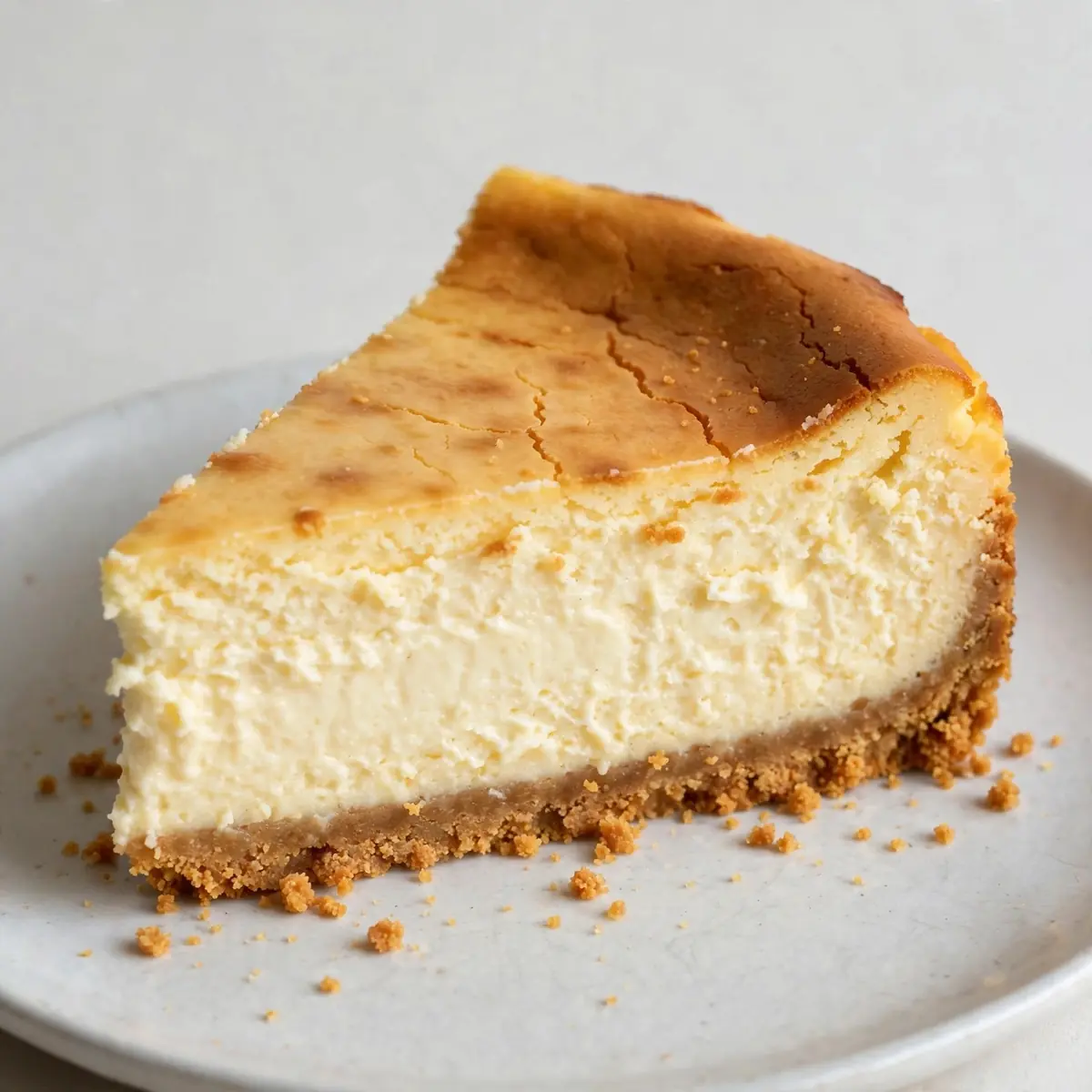
There are few things more comforting than the scent of a Classic New York Baked Cheesecake slowly filling your kitchen on a lazy Sunday afternoon. I find that the ritual of making one transforms a simple weekend into a proper, soul-warming project, where the gentle hum of the mixer and the anticipation of that first creamy slice become the highlight of the day. This recipe is my invitation to slow down, savour the process, and create something truly magnificent from scratch.
Recipe Overview
- Prep Time: 30 minutes
- Cook Time: 1 hour 30 minutes
- Total Time: 6 hours (including cooling and chilling)
- Servings: 12 generous slices
- Difficulty: Medium
Why You’ll Love This Classic New York Baked Cheesecake
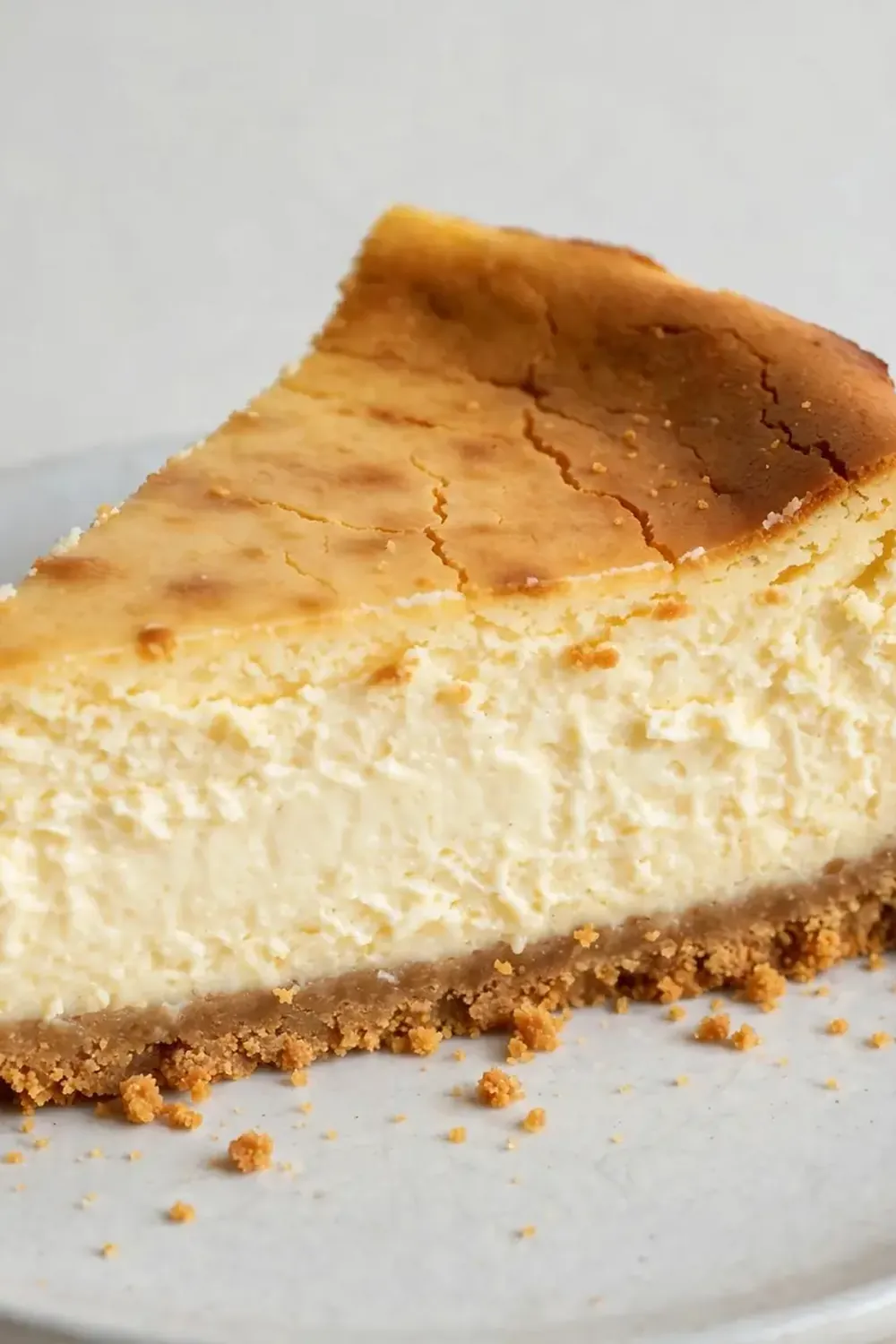
- The texture is pure silk. This isn’t a light, fluffy cloud; it’s a dense, velvety, almost fudge-like block of cream cheese heaven that melts on your tongue.
- It’s a true sensory journey. From the buttery, nutty aroma of the toasting biscuit base to the final, satisfyingly clean cut, every step engages your senses and grounds you in the moment.
- It’s surprisingly forgiving. While it looks impressive, the technique is straightforward. Once you master the water bath, you’ll feel a real sense of achievement.
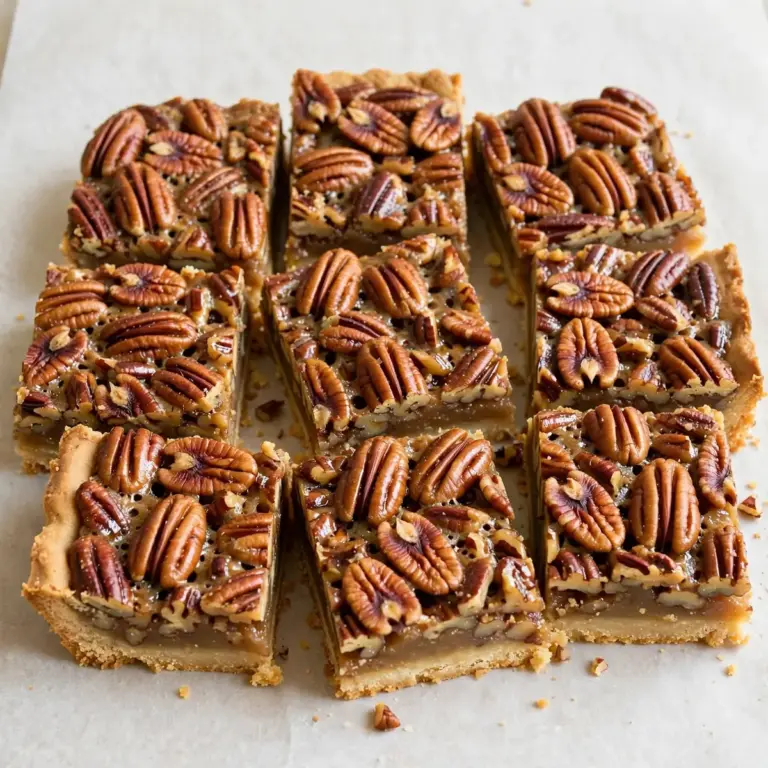
- It’s the ultimate blank canvas. A perfect plain cheesecake is a triumph in itself, but it also welcomes a simple topping of sharp berries, a drizzle of caramel, or a dusting of cocoa, much like a Classic Caramel Pecan Cheesecake.
- It gets better with time. This is a dessert that rewards patience. A day in the fridge allows the flavours to meld and the texture to become impossibly creamy.
Ingredients You’ll Need
- 200g digestive biscuits
- 100g unsalted butter, melted
- 1 tablespoon caster sugar
- 900g full-fat cream cheese, at room temperature
- 200g caster sugar
- 1 tablespoon plain flour
- 1 teaspoon vanilla extract
- Zest of 1 lemon
- 4 large eggs, at room temperature
- 2 large egg yolks, at room temperature
- 250ml double cream
Tip: Room temperature ingredients are non-negotiable here. Cold cream cheese and eggs will create a lumpy batter that won’t bake evenly. Take them out of the fridge a good two hours before you start.
Equipment You’ll Need
- Stand mixer or hand mixer
- 23cm springform cake tin
- Baking tray (large enough to hold the springform tin)
- Parchment paper
- Wire cooling rack
- Large roasting tin (for the water bath)
- Foil (to wrap the tin)
How to Make Classic New York Baked Cheesecake
- Prepare the base. Preheat your oven to 160°C (140°C fan). Crush the digestive biscuits into fine crumbs – I find a sealed freezer bag and a rolling pin wonderfully therapeutic for this. Mix the crumbs with the melted butter and 1 tablespoon of sugar until it resembles damp sand. Press this mixture firmly into the base of your parchment-lined springform tin. The smell of warm, buttery biscuits will soon fill your kitchen. Bake for 10 minutes, then set aside to cool.
- Wrap the tin. This is crucial to prevent leaks. Take three large sheets of strong foil and wrap them tightly around the outside of the springform tin, bringing them up the sides. Place the wrapped tin into your large roasting tin.
- Make the filling. In a large bowl, beat the room-temperature cream cheese with an electric mixer on a low speed until it’s completely smooth and has a silky, uniform sheen. There should be no lumps at all. Add the 200g of sugar, the flour, vanilla extract, and lemon zest. Mix on low until just combined – you want to avoid incorporating too much air. The batter will look glossy and smell wonderfully fragrant.
- Add the eggs. Add the whole eggs and egg yolks one at a time, mixing on the lowest setting after each addition until just incorporated. The batter will become thicker and a pale, creamy yellow. Finally, gently fold in the double cream by hand until the mixture is smooth, thick, and perfectly homogenous. Give the bowl a good scrape down.
- Pour and bake in a water bath. Pour the filling onto the cooled biscuit base. Gently smooth the top with a spatula. Boil a kettle of water. Place the roasting tin with the cheesecake onto the oven shelf, then carefully pour the hot water into the roasting tin until it reaches halfway up the sides of the springform tin. This steamy environment is the secret to a crack-free top. Bake for 1 hour 15 minutes to 1 hour 30 minutes. The edges will be set and a pale golden colour, but the centre should still have a noticeable jiggle, like a firm jelly. The aroma of baked cream and vanilla will be intoxicating.
- Cool slowly. This is the hardest part. Turn the oven off and leave the cheesecake inside with the door slightly ajar for a full hour. This gentle cooling prevents the top from sinking. After an hour, remove the cheesecake from the water bath and foil, run a thin knife around the edge of the tin to release the cake, and let it cool completely on a wire rack. The top will settle into a perfectly flat, smooth surface.
- Chill overnight. Once the cheesecake is at room temperature, cover it loosely with cling film and refrigerate for at least 6 hours, but ideally overnight. My husband, who’s usually picky, asked for seconds the first time I made this, and the overnight chill was the secret. The texture will become firm, sliceable, and impossibly creamy.
Tips From My Kitchen
- The water bath is your best friend. The steam from the hot water creates a gentle, even heat that bakes the cheesecake slowly and prevents the top from drying out and cracking. I used to struggle with this dish until I discovered this technique, and it was a complete game-changer. Don’t skip it, and ensure your foil wrap is watertight.
- Low and slow is the rule. Resist the urge to bake at a higher temperature. A low oven (160°C) for a longer time is the only way to achieve that dense, creamy texture without the edges becoming rubbery.
- Listen to the jiggle. The cheesecake is done when the edges are set and the centre wobbles just slightly when you gently shake the tin. It will continue to cook from its own residual heat as it cools. Over-baking is the most common cause of a dry, crumbly cheesecake.
- A hot knife for clean slices. For those picture-perfect slices, run a large, sharp knife under hot water, dry it off, and then make your cut. Wipe the blade clean and reheat it between each slice. The difference is remarkable.
- Patience is a virtue. A freshly made cheesecake is good, but a properly chilled one is sublime. The 24-hour rest allows the flavours to deepen and the texture to firm up to that perfect, sliceable density.
Common Mistakes to Avoid
- Overcrowding the pan: Using a tin that’s too small will result in a very thick cheesecake that may not bake through in the centre before the edges burn. A 23cm tin is the ideal size for this quantity of batter. If you only have a 20cm tin, reduce the filling by a quarter.
- Wrong temperature: Baking at too high a temperature will cause the cheesecake to puff up and then sink, creating a large crack across the surface. Stick to 160°C (140°C fan) and trust the process. If the top is browning too quickly after 45 minutes, tent it loosely with foil.
- Skipping the rest time: The step where you leave the cheesecake in the turned-off oven for an hour is not optional. It’s a gentle transition that prevents thermal shock. Skipping this is a guaranteed way to end up with a sunken centre and surface cracks.
What to Serve With Classic New York Baked Cheesecake
- A sharp berry compote, made by simmering raspberries or blueberries with a little sugar and lemon juice, cuts through the richness perfectly.
- A simple dollop of softly whipped cream and a few fresh strawberries is a classic for a reason.
- For an extra touch of indulgence, a drizzle of salted caramel sauce or a spoonful of our Decadent Chocolate Cake With Raspberries And Cream style ganache would be divine.
Still hungry for ideas? You might also love New York Cheesecake from our sister kitchens.
Frequently Asked Questions
Classic New York Baked Cheesecake
Ingredients
Method
-
Prepare the base. Preheat your oven to 160°C (140°C fan). Crush the digestive biscuits into fine crumbs – I find a sealed freezer bag and a rolling pin wonderfully therapeutic for this. Mix the crumbs with the melted butter and 1 tablespoon of sugar until it resembles damp sand. Press this mixture firmly into the base of your parchment-lined springform tin. The smell of warm, buttery biscuits will soon fill your kitchen. Bake for 10 minutes, then set aside to cool.
-
Wrap the tin. This is crucial to prevent leaks. Take three large sheets of strong foil and wrap them tightly around the outside of the springform tin, bringing them up the sides. Place the wrapped tin into your large roasting tin.
-
Make the filling. In a large bowl, beat the room-temperature cream cheese with an electric mixer on a low speed until it’s completely smooth and has a silky, uniform sheen. There should be no lumps at all. Add the 200g of sugar, the flour, vanilla extract, and lemon zest. Mix on low until just combined – you want to avoid incorporating too much air. The batter will look glossy and smell wonderfully fragrant.
-
Add the eggs. Add the whole eggs and egg yolks one at a time, mixing on the lowest setting after each addition until just incorporated. The batter will become thicker and a pale, creamy yellow. Finally, gently fold in the double cream by hand until the mixture is smooth, thick, and perfectly homogenous. Give the bowl a good scrape down.
-
Pour and bake in a water bath. Pour the filling onto the cooled biscuit base. Gently smooth the top with a spatula. Boil a kettle of water. Place the roasting tin with the cheesecake onto the oven shelf, then carefully pour the hot water into the roasting tin until it reaches halfway up the sides of the springform tin. This steamy environment is the secret to a crack-free top. Bake for 1 hour 15 minutes to 1 hour 30 minutes. The edges will be set and a pale golden colour, but the centre should still have a noticeable jiggle, like a firm jelly. The aroma of baked cream and vanilla will be intoxicating.
-
Cool slowly. This is the hardest part. Turn the oven off and leave the cheesecake inside with the door slightly ajar for a full hour. This gentle cooling prevents the top from sinking. After an hour, remove the cheesecake from the water bath and foil, run a thin knife around the edge of the tin to release the cake, and let it cool completely on a wire rack. The top will settle into a perfectly flat, smooth surface.
-
Chill overnight. Once the cheesecake is at room temperature, cover it loosely with cling film and refrigerate for at least 6 hours, but ideally overnight. My husband, who’s usually picky, asked for seconds the first time I made this, and the overnight chill was the secret. The texture will become firm, sliceable, and impossibly creamy.
Notes
I hope this recipe becomes one of your favourite weekend projects. The process is as rewarding as the final, glorious slice. If you give it a go, I’d love to hear how it turned out for you – please share your thoughts and any questions in the comments below!