Warm Cinnamon Roll Coffee Cake With Glaze
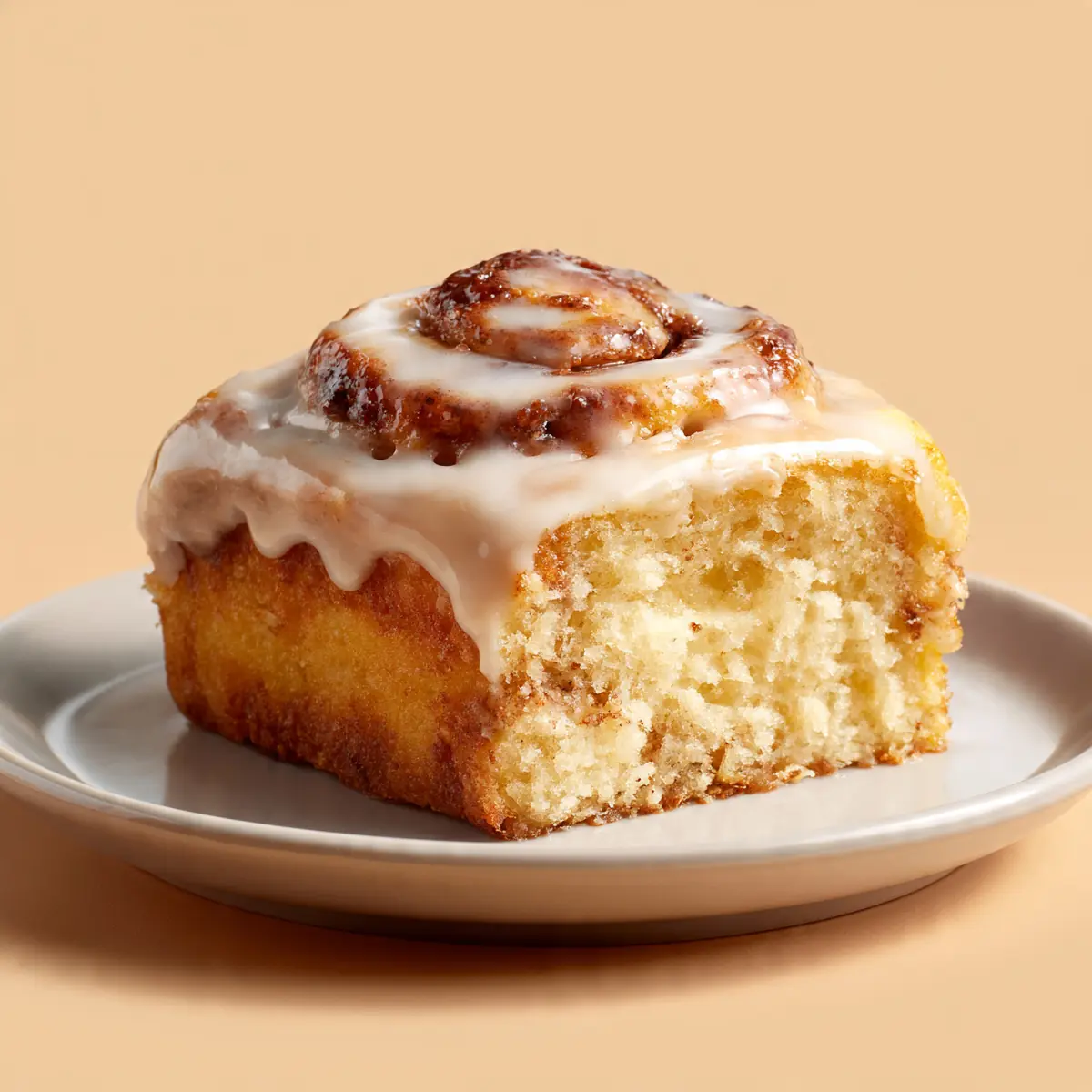
My Tuesday evenings used to be a frantic scramble of homework, last-minute laundry, and staring blankly into the fridge. Then I discovered this Warm Cinnamon Roll Coffee Cake with Glaze. It bakes up in a single tray, uses ingredients I always have on hand, and tastes like I spent hours in the kitchen—when really, it’s on the table in under forty minutes.
Recipe Overview
- Prep time: 10 minutes
- Cook time: 25–28 minutes
- Total time: 35–38 minutes
- Servings: 8 generous squares
- Difficulty: Easy
Why You’ll Love This Warm Cinnamon Roll Coffee Cake with Glaze
- One-bowl mixing: You can whisk the batter by hand in a single bowl, so there’s hardly any washing up afterwards.
- Pantry staples only: No special trips to the shop—flour, sugar, butter, eggs, and milk are all you need for the base.
- Make-ahead friendly: You can prepare the cinnamon swirl mixture the night before and assemble the cake in five minutes flat after work.
- No stand mixer required: A simple whisk and a spatula do the job, which means less equipment to clean and more time for the family.
- Customisable glaze: The drizzle can be adjusted to your family’s sweetness preference, and it sets in just a few minutes.
Ingredients You’ll Need
- 250 g plain flour
- 200 g caster sugar
- 2 teaspoons baking powder
- ½ teaspoon bicarbonate of soda
- ½ teaspoon salt
- 120 ml whole milk
- 100 g unsalted butter, melted
- 2 large eggs
- 2 teaspoons vanilla extract
- 100 g light brown sugar (for the cinnamon swirl)
- 2 tablespoons ground cinnamon
- 30 g unsalted butter, softened (for the cinnamon swirl)
- 120 g icing sugar (for the glaze)
- 2–3 tablespoons milk (for the glaze)
Tip: If your family prefers a less sweet finish, reduce the icing sugar in the glaze to 100 g and add an extra tablespoon of milk for a thinner drizzle.
How to Make Warm Cinnamon Roll Coffee Cake with Glaze
- Preheat your oven to 180°C (fan-assisted) and line a 20 cm square baking tray with parchment paper. You’ll know the oven is ready when the heating element glows orange and you feel a steady wave of warmth when you open the door.
- Whisk the dry ingredients together in a large bowl: plain flour, caster sugar, baking powder, bicarbonate of soda, and salt. The mixture should look pale and uniform, with no lumps of brown from the bicarbonate.
- Add the wet ingredients to the same bowl: milk, melted butter, eggs, and vanilla extract. Stir with a wooden spoon until just combined—stop when you no longer see streaks of flour. The batter will be thick and slightly glossy, with a soft, drop-biscuit texture.
- Make the cinnamon swirl in a small bowl: combine light brown sugar, ground cinnamon, and softened butter. Mash with a fork until the mixture resembles damp, sandy crumbs that clump together when pressed. You’ll smell the warm, spicy fragrance of cinnamon as you work.
- Assemble the cake by spreading half the batter into the prepared tray. It will be thick, so use a spatula to spread it evenly to the edges. Sprinkle the cinnamon mixture over the batter, then dollop the remaining batter on top. Use a knife to gently swirl the layers together—don’t overmix, or the swirl will disappear into the cake. The surface should look marbled with dark brown ribbons.
- Bake for 25–28 minutes, rotating the tray halfway through. The cake is ready when the top springs back when lightly pressed and a skewer inserted into the centre comes out with a few moist crumbs attached. The kitchen will smell like a bakery, with notes of toasted sugar and cinnamon.
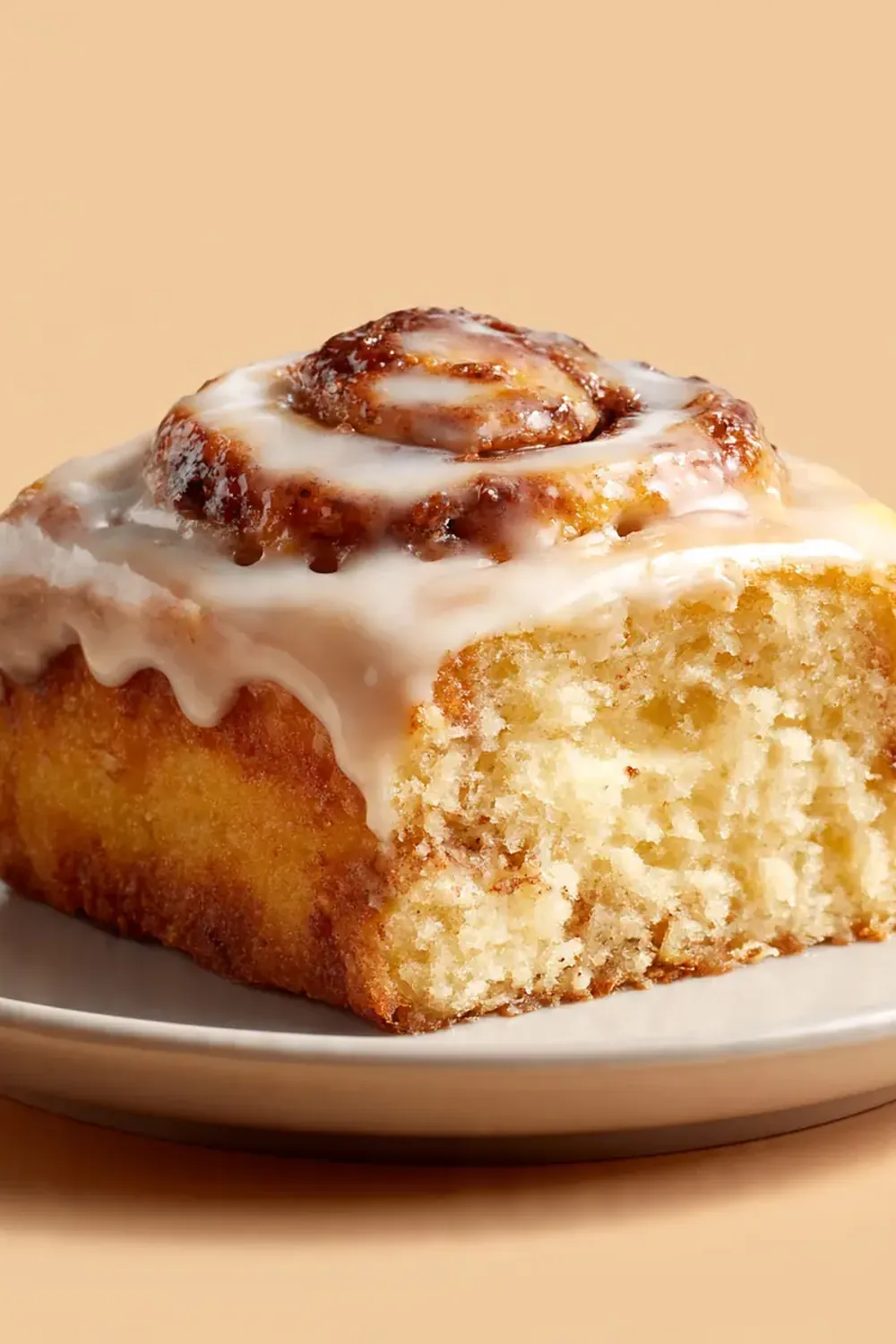
- Cool in the tray on a wire rack for 10 minutes. While the cake is still warm, prepare the glaze by whisking icing sugar and milk together until smooth. The glaze should be thick enough to coat the back of a spoon but still pourable. Drizzle it over the warm cake in zigzag lines, letting it sink into the swirls. The glaze will set into a soft, white sheen as it cools.
- Slice and serve while still warm. The cake should feel tender and moist, with visible cinnamon ribbons running through each square.
Tips From My Kitchen
- Use room-temperature eggs: Cold eggs can make the batter seize up and create a dense cake. I take my eggs out of the fridge 20 minutes before I start—they blend more smoothly into the butter and milk, giving a lighter crumb.
- Don’t overmix the batter: Overworking the flour develops gluten, which turns this tender coffee cake into a tough, rubbery bake. Stop stirring the moment the flour disappears; a few small lumps are perfectly fine and will bake out.
- Line the tray with parchment overhang: Cut two long strips of parchment that extend up the sides of the tray. This creates “handles” that let you lift the entire cake out in one piece—no scraping, no broken edges, and the tray stays clean.
- Make the cinnamon swirl ahead: Mix the brown sugar, cinnamon, and softened butter the night before and store it in a small container in the fridge. When you’re ready to bake, just crumble it over the batter straight from the fridge—no extra time needed.
- Check for doneness at 25 minutes: Ovens vary, so start testing early. The cake should feel springy, not squishy, and a skewer should come out with moist crumbs, not wet batter. If the top is browning too quickly, tent loosely with foil for the final 5 minutes.
- Glaze while warm, not hot: If the cake is piping hot, the glaze will melt into a puddle and disappear. If it’s completely cold, the glaze will sit on top and not sink in. The sweet spot is about 10 minutes out of the oven—warm enough to absorb the drizzle, but cool enough to hold its shape.
Equipment You’ll Need
- Stand mixer or hand mixer (optional, a wooden spoon works fine)
- 20 cm square baking tray
- Parchment paper
- Wire cooling rack
- Large mixing bowl
- Small bowl for the swirl mixture
- Whisk and wooden spoon
Common Mistakes to Avoid
- Overcrowding the pan: Using a smaller tray than specified makes the cake dome unevenly and turn gummy in the centre. Stick to a 20 cm square tray—the batter needs that specific surface area to bake through properly.
- Wrong temperature: Baking at too high a temperature browns the edges and leaves the middle raw. I always use 180°C fan-assisted (or 200°C conventional) and check the cake at the 25-minute mark to avoid a burnt crust.
- Skipping the rest time: Cutting into the cake while it’s still hot causes it to crumble into pieces. That 10-minute rest in the tray lets the structure set, so each slice holds together beautifully when you lift it out.
Delicious Variations to Try
- Apple Cinnamon: Fold 150 g of finely diced apple into the batter before layering. The apple pieces soften during baking and add little bursts of juicy sweetness between the cinnamon swirls.
- Vegan Option: Replace the milk with oat milk, use 100 g of coconut oil instead of butter, and substitute each egg with a flax egg (1 tablespoon ground flaxseed mixed with 3 tablespoons water, left to gel for 5 minutes). The cake turns out slightly denser but still deliciously tender.
- Nutty Cinnamon: Add 60 g of chopped pecans or walnuts to the cinnamon swirl mixture. The nuts toast in the oven and add a lovely crunch that contrasts with the soft cake and smooth glaze.
What to Serve With Warm Cinnamon Roll Coffee Cake with Glaze
- A dollop of Greek yogurt or crème fraîche to balance the sweetness
- A hot cup of black coffee or chai tea for a classic pairing
- A side of fresh berries, such as raspberries or sliced strawberries, for a tart contrast
- A scoop of vanilla ice cream if you’re serving it as a dessert
Frequently Asked Questions
Warm Cinnamon Roll Coffee Cake with Glaze
Ingredients
Method
- Preheat your oven to 180°C (fan-assisted) and line a 20 cm square baking tray with parchment paper. You'll know the oven is ready when the heating element glows orange and you feel a steady wave of warmth when you open the door.
- Whisk the dry ingredients together in a large bowl: plain flour, caster sugar, baking powder, bicarbonate of soda, and salt. The mixture should look pale and uniform, with no lumps of brown from the bicarbonate.
- Add the wet ingredients to the same bowl: milk, melted butter, eggs, and vanilla extract. Stir with a wooden spoon until just combined—stop when you no longer see streaks of flour. The batter will be thick and slightly glossy, with a soft, drop-biscuit texture.
- Make the cinnamon swirl in a small bowl: combine light brown sugar, ground cinnamon, and softened butter. Mash with a fork until the mixture resembles damp, sandy crumbs that clump together when pressed. You'll smell the warm, spicy fragrance of cinnamon as you work.
- Assemble the cake by spreading half the batter into the prepared tray. It will be thick, so use a spatula to spread it evenly to the edges. Sprinkle the cinnamon mixture over the batter, then dollop the remaining batter on top. Use a knife to gently swirl the layers together—don't overmix, or the swirl will disappear into the cake. The surface should look marbled with dark brown ribbons.
- Bake for 25–28 minutes, rotating the tray halfway through. The cake is ready when the top springs back when lightly pressed and a skewer inserted into the centre comes out with a few moist crumbs attached. The kitchen will smell like a bakery, with notes of toasted sugar and cinnamon.
- Cool in the tray on a wire rack for 10 minutes. While the cake is still warm, prepare the glaze by whisking icing sugar and milk together until smooth. The glaze should be thick enough to coat the back of a spoon but still pourable. Drizzle it over the warm cake in zigzag lines, letting it sink into the swirls. The glaze will set into a soft, white sheen as it cools.
- Slice and serve while still warm. The cake should feel tender and moist, with visible cinnamon ribbons running through each square.
Notes
I make this Warm Cinnamon Roll Coffee Cake with Glaze at least once a week—it’s become a family favourite that saves me on those chaotic school nights. If you try it, let me know how it turned out in the comments below. I’d love to hear about your own shortcuts and variations.