Classic Tres Leches Cake
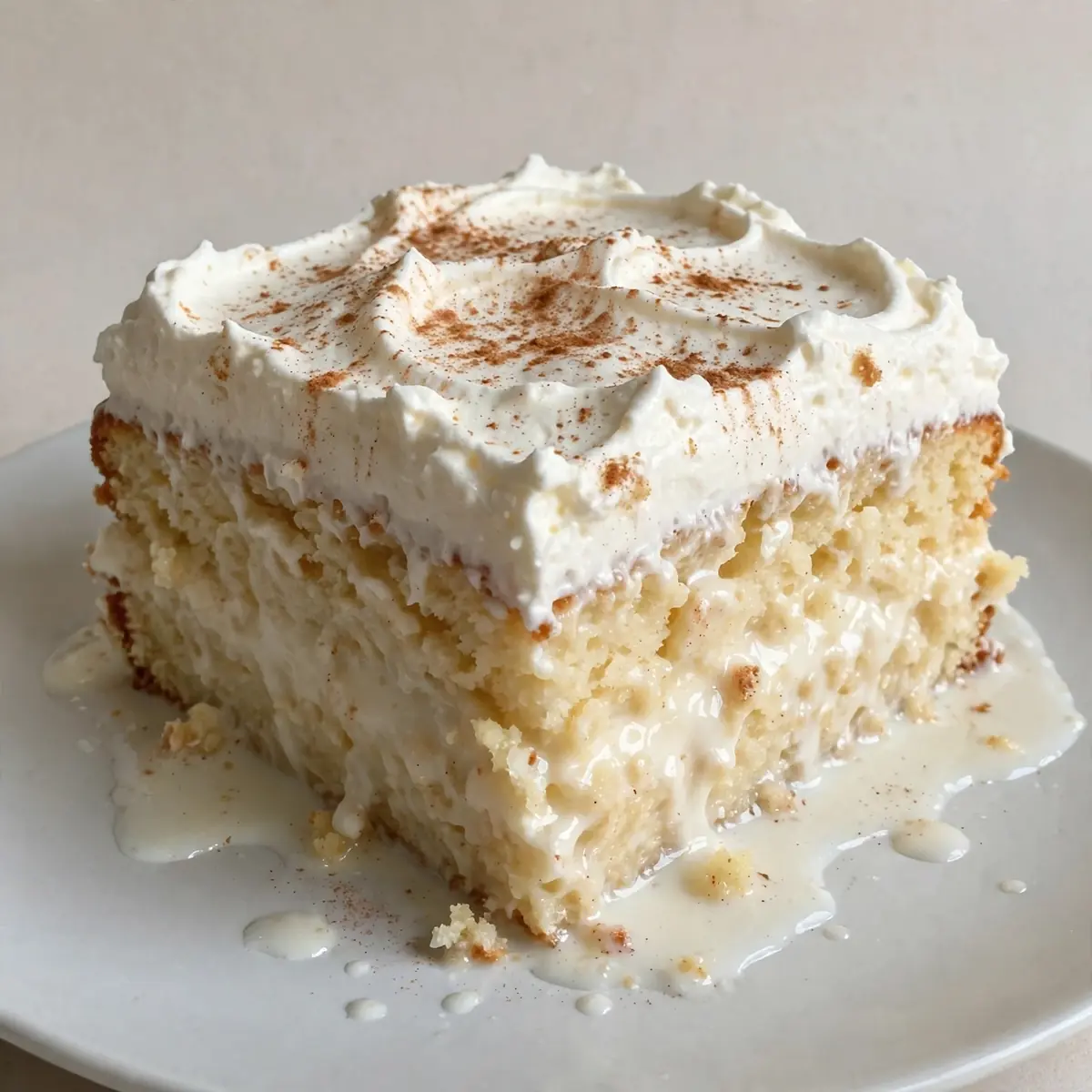
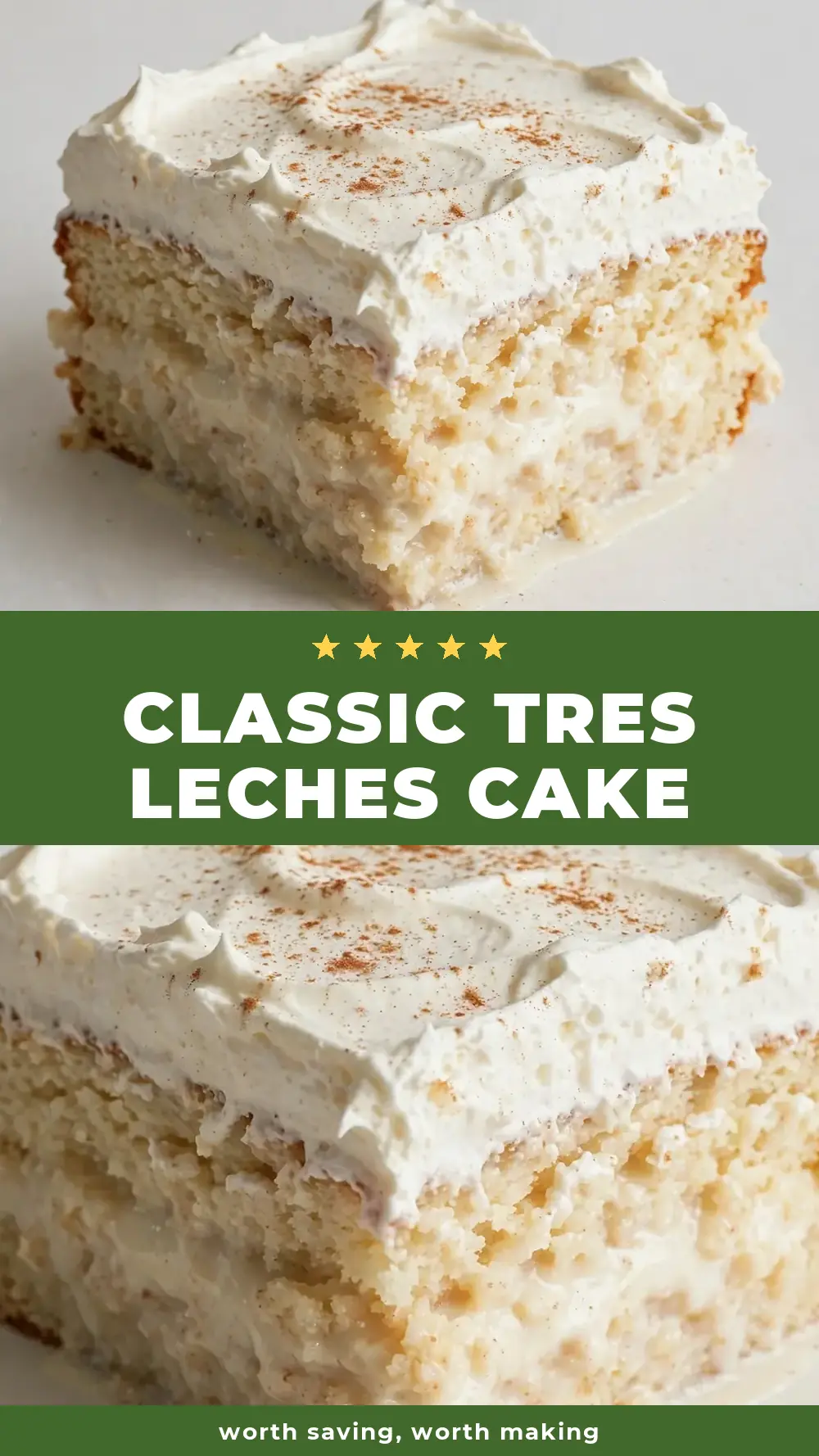
There are few things more comforting than the low, golden glow of a Saturday afternoon spent entirely in the kitchen, the radio humming low as you measure, whisk, and wait. For me, that cosy weekend ritual often culminates in a single, glorious dessert: a Classic Tres Leches Cake. This isn’t a quick fix; it’s a project that rewards your patience with a sponge so tender it practically sighs when you pour over the three-milk mixture, and a final cloud of whipped cream that feels like a small, edible victory.
Recipe Overview
- Prep Time: 30 minutes
- Cook Time: 35 minutes
- Chilling Time: 4 hours (or overnight)
- Total Time: 5 hours 5 minutes
- Servings: 12 generous slices
- Difficulty: Medium
Why You’ll Love This Classic Tres Leches Cake
- The texture is pure magic. The sponge soaks up the sweet milk mixture without becoming soggy, turning into a melt-in-the-mouth cloud that is both light and luscious.
- It’s a make-ahead marvel. This cake actually improves overnight, making it the perfect stress-free dessert for a relaxed weekend gathering. You can focus on the main course while this chills happily in the fridge.
- The sensory journey is unmatched. From the warm vanilla scent filling your kitchen as the sponge bakes, to the satisfying hiss of the milk mixture being absorbed, every step is a small pleasure.
- It’s endlessly adaptable, just like a Rose Lemonade Mocktail which can be customized with different herbs and fruits. While this classic version is perfection, you can easily add a whisper of cinnamon to the cream or a handful of berries for a fresh pop of colour, or serve it alongside Classic Caramel Pecan Cheesecake for a delightful twist.com/soft-strawberry-shortcake-cookies/”>Soft Strawberry Shortcake Cookies for a delightful twist.
- It impresses without fuss. Friends always ask me for this recipe after trying it at dinner parties. It looks stunning, tastes luxurious, and yet the process is wonderfully straightforward and forgiving.
Ingredients You’ll Need
- For the sponge: 6 large eggs, separated, at room temperature
- For the sponge: 200g golden caster sugar
- For the sponge: 1 teaspoon vanilla extract
- For the sponge: 200g plain flour
- For the sponge: 1 teaspoon baking powder
- For the sponge: ¼ teaspoon fine sea salt
- For the three-milk mixture: 1 can (397g) sweetened condensed milk
- For the three-milk mixture: 1 can (410g) evaporated milk
- For the three-milk mixture: 300ml double cream
- For the topping: 600ml double cream, well chilled
- For the topping: 3 tablespoons icing sugar
- For the topping: 1 teaspoon vanilla extract
- To finish: Ground cinnamon, for dusting
Tip: Room temperature eggs are non-negotiable here. They whip to a greater volume, giving your sponge the light, airy structure it needs to absorb the milks without collapsing. Take them out of the fridge an hour before you begin.
How to Make Classic Tres Leches Cake
- Heat the oven and prep the tin. Set your oven to 160°C (140°C fan) and grease a 23x33cm rectangular baking dish or a 9×13 inch tin. Line the base with baking paper. The aroma of a warming oven is the first signal that your cosy project has begun.
- Whisk the egg whites to stiff peaks. In a clean, dry bowl, beat the 6 egg whites with an electric mixer until they become foamy and opaque, like a cloud just before a storm. Gradually add half the sugar (100g), a spoonful at a time, and continue whisking until the peaks are stiff and glossy, and the bowl feels cool to the touch. Set aside.
- Make the yolk mixture. In a separate large bowl, beat the 6 egg yolks with the remaining 100g of sugar until the mixture is thick, pale, and falls from the whisk in a thick ribbon. This should take about 3-4 minutes. Stir in the vanilla extract. The colour will shift from deep yellow to a buttery, almost white lemon shade.
- Fold in the flour and whites. Sift the flour, baking powder, and salt over the yolk mixture. Gently fold in with a large metal spoon. Then, add a third of the whipped egg whites, folding until just combined. Add the remaining whites in two more batches, folding gently until no white streaks remain. The batter should be airy, pale, and look like a thick, soft mousse.
- Bake until golden and springy. Pour the batter into the prepared tin and spread it evenly. Bake for 30-35 minutes. Your cue is a golden-brown top that springs back when lightly pressed in the centre, and a skewer inserted comes out clean. The kitchen will smell sweetly of toasted vanilla. Let the cake cool completely in the tin on a wire rack.
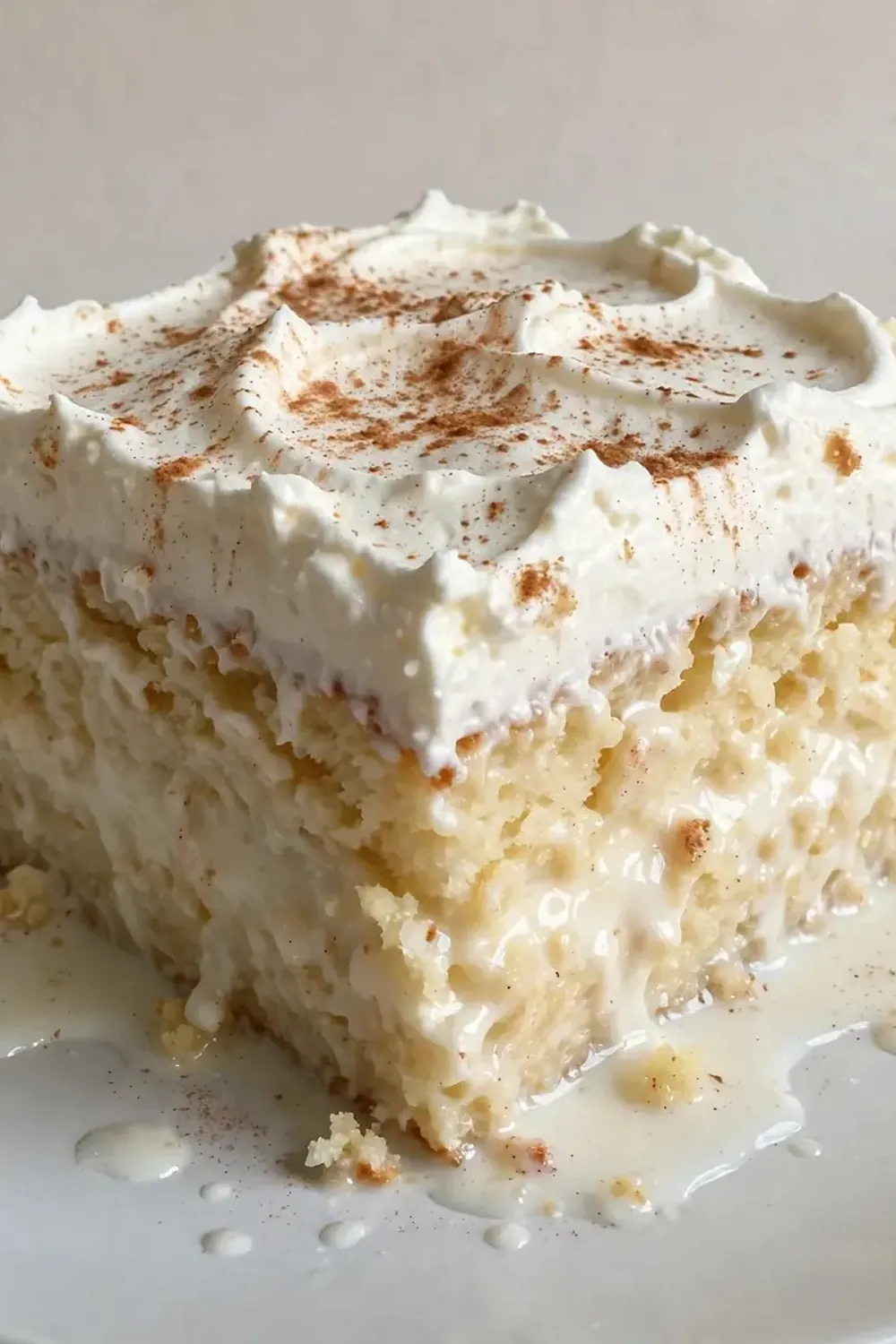
- Prepare the three-milk soak. In a large jug, whisk together the sweetened condensed milk, evaporated milk, and 300ml of double cream until smooth. Once the cake is completely cool, pierce it all over with a fork or skewer. Pour the milk mixture slowly and evenly over the entire surface. You will hear a gentle, satisfying sizzle as the sponge begins to drink it in. Cover and refrigerate for at least 4 hours, or overnight. The cake will feel heavy and jiggly with liquid.
- Whip the topping and serve. Just before serving, pour the chilled 600ml of double cream into a bowl with the icing sugar and vanilla. Whisk until soft peaks form. Spread the cream over the soaked cake, swirling it decoratively. Dust generously with ground cinnamon. The final cake should be a study in contrasts: a cloud of white cream over a deep, milk-soaked sponge.
Tips From My Kitchen
- Don’t rush the cooling. Pouring the warm milk mixture onto a hot cake is a recipe for a broken, mushy sponge. The cake must be completely cold so the structure is set and can absorb the liquid evenly without disintegrating. Patience here is your best friend.
- Use a fork, not a knife, for piercing. A knife creates long slits that can weaken the cake’s structure. A fork creates dozens of tiny holes that allow the milk to penetrate every crevice without causing the sponge to collapse. Think of it as giving the cake a gentle acupuncture treatment.
- Chill time is active time. This is not a dessert you can whip up an hour before serving. The 4-hour minimum chill is essential for the cake to fully absorb the milk. Overnight is even better. The texture transforms from a simple sponge to a dense, creamy, almost pudding-like cake.
- Whip the topping to soft peaks only. Stiff peaks in the cream will look dry and be difficult to spread. Soft peaks—where the cream holds its shape but still has a slight droop—will create a silky, luscious layer that contrasts beautifully with the dense cake.
- Use a metal or glass dish. A metal dish conducts heat better for a more even bake, while a glass dish is excellent for soaking and serving. Avoid thin, non-stick trays, as they can cause the sponge to brown too quickly on the edges before the centre is done.
What to Serve With Classic Tres Leches Cake
This cake is wonderfully self-contained, but a few simple accompaniments can elevate the experience. A handful of fresh raspberries or sliced strawberries adds a sharp, fruity contrast to the sweet cream. For an extra touch, a dollop of Creamy High Protein Cheesecake Jars No Bake 2 alongside a slice offers a fun, textural twist. A strong, black coffee or a glass of cold milk is the perfect beverage to cut through the richness.
- Fresh berries (raspberries, strawberries, or blueberries)
- A dusting of cinnamon or cocoa powder
- A dollop of extra whipped cream
- A cup of strong black coffee or espresso
Frequently Asked Questions
Classic Tres Leches Cake
Ingredients
Method
-
Heat the oven and prep the tin. Set your oven to 160°C (140°C fan) and grease a 23x33cm rectangular baking dish or a 9×13 inch tin. Line the base with baking paper. The aroma of a warming oven is the first signal that your cosy project has begun.
-
Whisk the egg whites to stiff peaks. In a clean, dry bowl, beat the 6 egg whites with an electric mixer until they become foamy and opaque, like a cloud just before a storm. Gradually add half the sugar (100g), a spoonful at a time, and continue whisking until the peaks are stiff and glossy, and the bowl feels cool to the touch. Set aside.
-
Make the yolk mixture. In a separate large bowl, beat the 6 egg yolks with the remaining 100g of sugar until the mixture is thick, pale, and falls from the whisk in a thick ribbon. This should take about 3-4 minutes. Stir in the vanilla extract. The colour will shift from deep yellow to a buttery, almost white lemon shade.
-
Fold in the flour and whites. Sift the flour, baking powder, and salt over the yolk mixture. Gently fold in with a large metal spoon. Then, add a third of the whipped egg whites, folding until just combined. Add the remaining whites in two more batches, folding gently until no white streaks remain. The batter should be airy, pale, and look like a thick, soft mousse.
-
Bake until golden and springy. Pour the batter into the prepared tin and spread it evenly. Bake for 30-35 minutes. Your cue is a golden-brown top that springs back when lightly pressed in the centre, and a skewer inserted comes out clean. The kitchen will smell sweetly of toasted vanilla. Let the cake cool completely in the tin on a wire rack.
-
Prepare the three-milk soak. In a large jug, whisk together the sweetened condensed milk, evaporated milk, and 300ml of double cream until smooth. Once the cake is completely cool, pierce it all over with a fork or skewer. Pour the milk mixture slowly and evenly over the entire surface. You will hear a gentle, satisfying sizzle as the sponge begins to drink it in. Cover and refrigerate for at least 4 hours, or overnight. The cake will feel heavy and jiggly with liquid.
-
Whip the topping and serve. Just before serving, pour the chilled 600ml of double cream into a bowl with the icing sugar and vanilla. Whisk until soft peaks form. Spread the cream over the soaked cake, swirling it decoratively. Dust generously with ground cinnamon. The final cake should be a study in contrasts: a cloud of white cream over a deep, milk-soaked sponge.
Notes
I hope this Classic Tres Leches Cake becomes your new favourite weekend project. There’s something deeply satisfying about watching a simple bowl of ingredients transform into something so elegant and comforting. If you give it a try, I’d love to know how it turned out in your kitchen—drop a comment below and tell me about your baking adventure.