Lemon Bars With Shortbread Crust
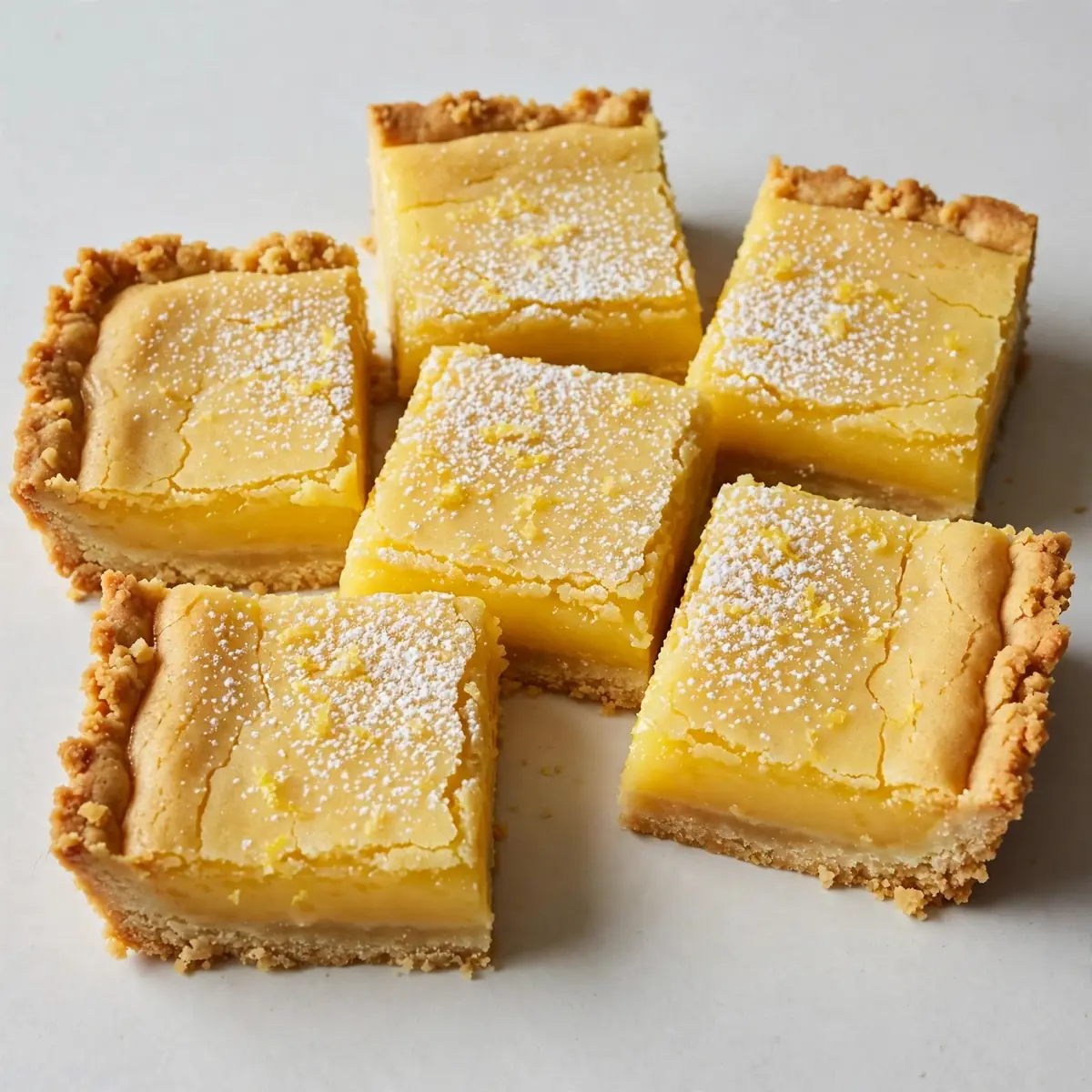
There are few things more satisfying than the smell of butter browning and sugar caramelising drifting through the house on a grey Sunday afternoon. This lemon bars with shortbread crust recipe is my go-to project when I want to slow down, listen to the steady hum of the oven, and create something bright and beautiful from simple pantry staples. It’s a quiet ritual that rewards patience with a tray of sunshine.
Recipe Overview
- Prep Time: 25 minutes
- Cook Time: 45 minutes
- Total Time: 1 hour 10 minutes (plus 2 hours cooling)
- Servings: 16 generous squares
- Difficulty: Medium
Why You’ll Love This Lemon Bars with Shortbread Crust
- The crust is genuinely buttery, not crumbly dust. It holds its shape under the wet filling, giving you that satisfying snap when you bite through the top layer.
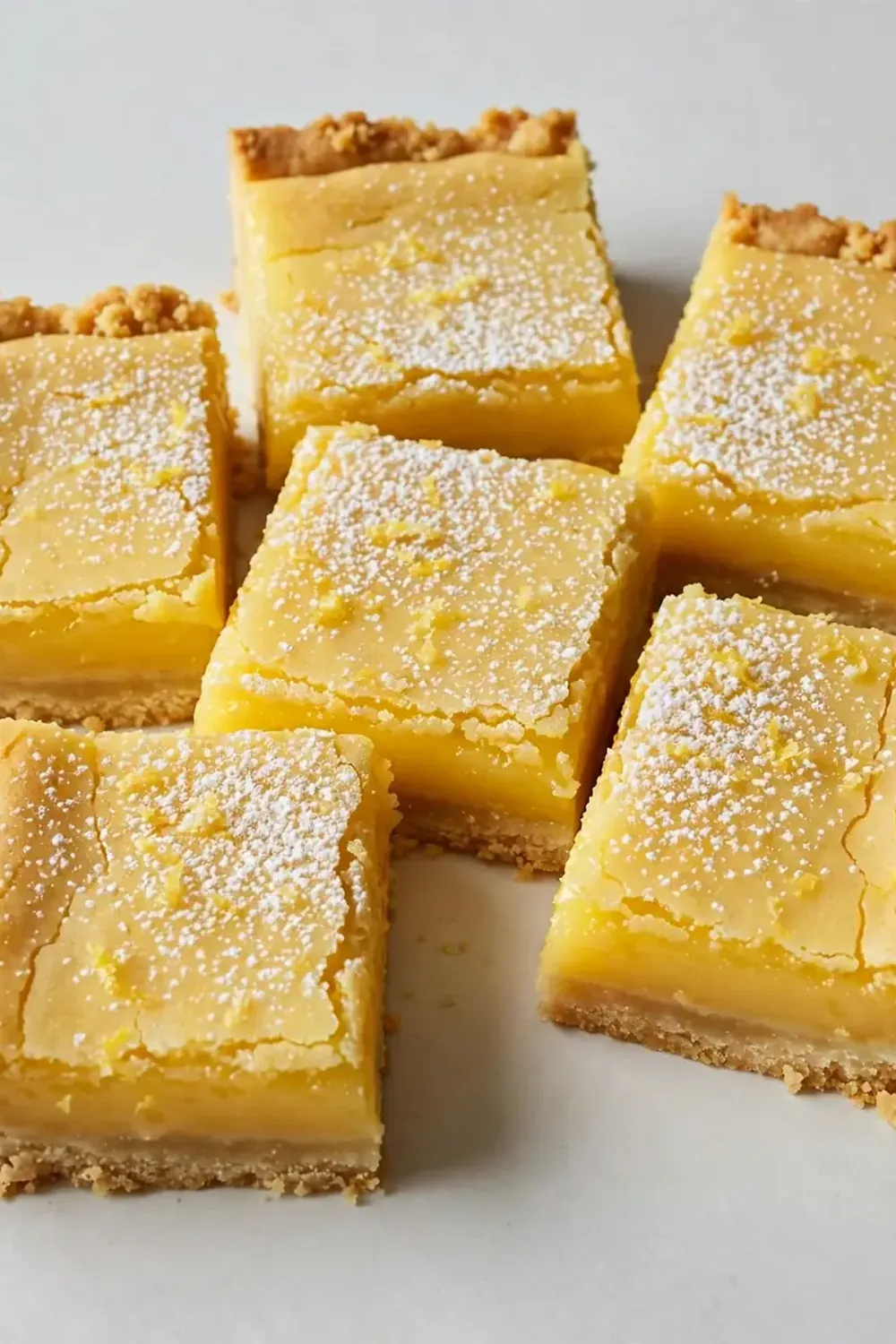
- That glossy, jewel-like topping. When it catches the light, you know you’ve nailed the balance between tart and sweet.
- It’s a forgiving bake. Even if your timing is slightly off, the shortbread base and thick lemon curd hide a multitude of sins.
- It keeps beautifully. These bars taste even better the day after, once the flavours have had a chance to settle into the crust.
- It feels special without being fussy. No piping bags, no complicated folds — just honest ingredients and a bit of patience.
Ingredients You’ll Need
- 250g plain flour
- 75g icing sugar, plus extra for dusting
- ¼ teaspoon fine sea salt
- 225g unsalted butter, cold, cut into 1cm cubes
- 4 large eggs, at room temperature
- 350g caster sugar
- 80ml freshly squeezed lemon juice (from about 3–4 lemons)
- 2 tablespoons finely grated lemon zest (about 2 large lemons)
- 60g plain flour (for the filling)
- ½ teaspoon baking powder
- A pinch of ground turmeric (optional, for colour)
Tip: For the brightest flavour, always zest your lemons before juicing them. The zest holds the essential oils that give this filling its punch, and it’s much harder to grate a lemon that’s already been squeezed.
How to Make Lemon Bars with Shortbread Crust
- Preheat and prepare the pan. Heat your oven to 180°C (160°C fan). Line a 20cm x 20cm square baking tin with a double layer of baking paper, leaving an overhang on two opposite sides. This will be your handle later. You want the paper to sit flush against the corners, so crease it sharply.
- Make the shortbread crust. In a large bowl, whisk together 250g plain flour, 75g icing sugar and the salt. Drop in the cold butter cubes. Using your fingertips, rub the butter into the flour until the mixture looks like coarse, pale sand. You should see small, pea-sized flakes of butter still visible — that’s what gives the crust its tender, crumbly texture. The mixture should feel cool to the touch and smell faintly sweet and nutty.
- Press and bake the base. Tip the crumb mixture into the lined tin. Use the flat bottom of a glass or a measuring cup to press it down firmly and evenly. You want a compact, level surface with no loose crumbs. Prick the base all over with a fork. Bake for 18–20 minutes, until the edges are just turning a pale, golden brown and the centre looks dry, not greasy. The kitchen will smell of toasted butter. Set aside to cool for 10 minutes while you make the filling.
- Whisk the lemon filling. In a medium bowl, whisk the eggs until they’re frothy and a pale, lemony yellow — about 30 seconds of vigorous whisking. Add the caster sugar and whisk for another minute until the mixture thickens slightly and looks glossy. The sugar should be mostly dissolved by now. Pour in the lemon juice and zest; whisk again. The mixture will look thin and smell intensely citrusy. In a small bowl, stir together the remaining 60g flour and the baking powder, then sift this over the wet mixture. Whisk gently until no white streaks remain. The batter will be smooth and runny, like a thin custard.
- Pour and bake the bars. Pour the filling directly onto the warm shortbread crust. It will spread easily. Tap the tin gently on the worktop to pop any surface bubbles. Bake for 25–30 minutes. You’ll know it’s done when the edges are set and the centre barely wobbles when you gently shake the tin. The top should be a glossy, pale gold with no wet patches. If you see bubbles forming on the surface, your oven is too hot — reduce the temperature by 10°C next time.
- Cool completely before slicing. Place the tin on a wire rack and let it cool to room temperature. This takes about an hour. Then, transfer the tin to the fridge and chill for at least another hour — two is better. The filling needs this time to firm up into that clean, sliceable curd. When you lift the bars out using the paper overhang, the paper should peel away cleanly. Dust generously with icing sugar just before serving.
Tips From My Kitchen
- Use cold butter for the crust. Warm butter will melt into the flour before it hits the oven, giving you a dense, greasy base rather than a flaky shortbread. Keep the butter in the fridge until the moment you need it, and work quickly with your fingertips so it stays cool.
- Don’t skip the baking powder in the filling. It might seem odd in a lemon curd, but that tiny lift prevents the filling from turning into a dense, rubbery slab. It keeps the texture light and almost cloud-like against the buttery crust.
- Strain your lemon juice. Those little seeds and bits of pulp can create bitter pockets in the filling. Pour the juice through a fine-mesh sieve before adding it to the eggs. The difference is subtle but noticeable in the final, clean finish.
- Let the bars rest overnight if you can. I’ve been making this for over 9 years, and it never disappoints, but the bars are always better on day two. The crust absorbs a whisper of moisture from the filling, making it tender without losing its structure. Store them in the fridge, tightly covered.
- Dust with icing sugar right before serving. If you dust too early, the sugar will dissolve into the glossy top and disappear. A fresh, snowy blanket of icing sugar gives that beautiful contrast against the yellow filling and adds a tiny hit of sweetness to balance the tartness.
Common Mistakes to Avoid
- Overcrowding the pan: This recipe is designed for a 20cm square tin. If you use a larger tin, the shortbread will be too thin and the filling won’t set properly. Stick to the specified size for the perfect ratio of crust to curd.
- Wrong temperature: Baking the filling at too high a temperature will cause the eggs to curdle, leaving you with a grainy, separated top. Keep the oven at a steady 180°C (160°C fan) and check the bars a few minutes early if your oven runs hot.
- Skipping the rest time: I know it’s tempting to cut into a warm bar, but warm lemon filling is runny and won’t hold a clean edge. The chilling time is not optional — it’s what transforms the filling from a liquid into that silky, sliceable curd you’re after.
What to Serve With Lemon Bars with Shortbread Crust
- A dollop of clotted cream or thick Greek yogurt to cut through the sweetness
- A handful of fresh raspberries or blueberries on the side for a burst of colour
- A cup of strong, hot Earl Grey tea — the bergamot notes echo the lemon beautifully
- For a more indulgent dessert, serve alongside a scoop of vanilla bean ice cream
Still hungry for ideas? You might also love Homemade Lemon Bars, Homemade Lemon Bars from our sister kitchens.
Frequently Asked Questions
Lemon Bars with Shortbread Crust
Ingredients
Method
- Preheat and prepare the pan. Heat your oven to 180°C (160°C fan). Line a 20cm x 20cm square baking tin with a double layer of baking paper, leaving an overhang on two opposite sides. This will be your handle later. You want the paper to sit flush against the corners, so crease it sharply.
- Make the shortbread crust. In a large bowl, whisk together 250g plain flour, 75g icing sugar and the salt. Drop in the cold butter cubes. Using your fingertips, rub the butter into the flour until the mixture looks like coarse, pale sand. You should see small, pea-sized flakes of butter still visible — that’s what gives the crust its tender, crumbly texture. The mixture should feel cool to the touch and smell faintly sweet and nutty.
- Press and bake the base. Tip the crumb mixture into the lined tin. Use the flat bottom of a glass or a measuring cup to press it down firmly and evenly. You want a compact, level surface with no loose crumbs. Prick the base all over with a fork. Bake for 18–20 minutes, until the edges are just turning a pale, golden brown and the centre looks dry, not greasy. The kitchen will smell of toasted butter. Set aside to cool for 10 minutes while you make the filling.
- Whisk the lemon filling. In a medium bowl, whisk the eggs until they’re frothy and a pale, lemony yellow — about 30 seconds of vigorous whisking. Add the caster sugar and whisk for another minute until the mixture thickens slightly and looks glossy. The sugar should be mostly dissolved by now. Pour in the lemon juice and zest; whisk again. The mixture will look thin and smell intensely citrusy. In a small bowl, stir together the remaining 60g flour and the baking powder, then sift this over the wet mixture. Whisk gently until no white streaks remain. The batter will be smooth and runny, like a thin custard.
- Pour and bake the bars. Pour the filling directly onto the warm shortbread crust. It will spread easily. Tap the tin gently on the worktop to pop any surface bubbles. Bake for 25–30 minutes. You’ll know it’s done when the edges are set and the centre barely wobbles when you gently shake the tin. The top should be a glossy, pale gold with no wet patches. If you see bubbles forming on the surface, your oven is too hot — reduce the temperature by 10°C next time.
- Cool completely before slicing. Place the tin on a wire rack and let it cool to room temperature. This takes about an hour. Then, transfer the tin to the fridge and chill for at least another hour — two is better. The filling needs this time to firm up into that clean, sliceable curd. When you lift the bars out using the paper overhang, the paper should peel away cleanly. Dust generously with icing sugar just before serving.
Notes
If you enjoyed this slower, more mindful bake, you might also like my Fluffy 3 Ingredient Lemon Cupcakes Recipe 2 for another citrus hit, or the Chewy Chocolate Caramel Cookies For Holiday Trays when you need something deeply chocolatey. For a different kind of comfort, Classic Creme Brulee Recipe For Date Night offers that same sense of quiet, rewarding effort.
Now I’d love to hear from you. Did the smell of butter and lemon fill your kitchen just as it does mine every single time? Drop a comment below and let me know how your bars turned out — especially if you managed to resist eating the entire tray before they’d fully cooled.