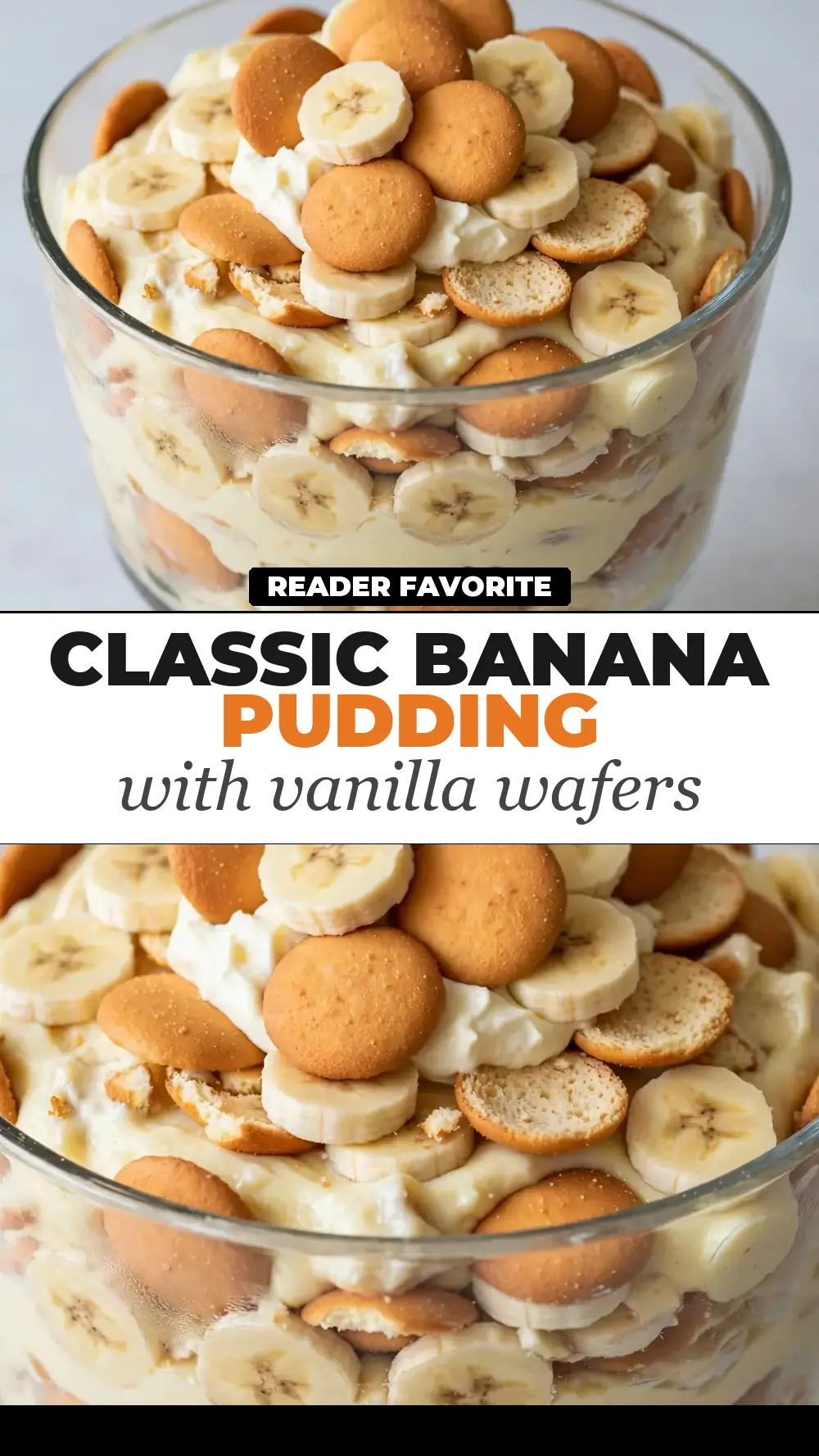
Classic Banana Pudding With Vanilla Wafers
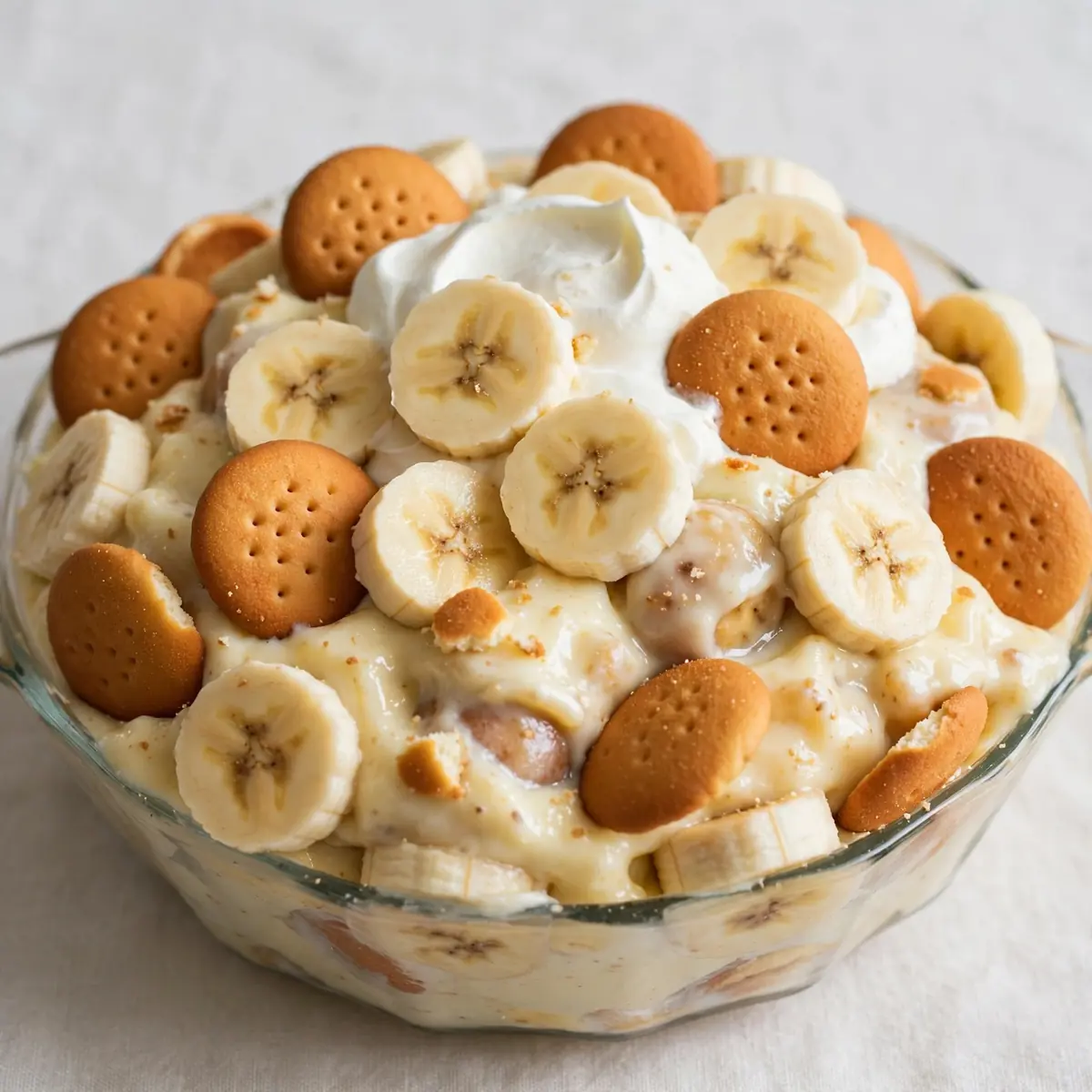
There’s a particular sort of magic that happens on a grey Saturday afternoon, when the rain is tapping at the window and the kitchen starts to smell sweet and milky. I find myself reaching for a mixing bowl, not out of obligation, but because the rhythm of measuring and stirring feels like a gentle reset. This Classic Banana Pudding with Vanilla Wafers is the project I turn to when I want to slow down, to listen to the soft clink of a whisk against glass, and to fill the house with the kind of warmth that only a homemade dessert can bring.
Recipe Overview
- Prep Time: 30 minutes
- Cook Time: 15 minutes
- Chilling Time: 4 hours (minimum, ideally overnight)
- Total Time: 4 hours 45 minutes
- Servings: 8 generous portions
- Difficulty: Medium
Why You’ll Love This Classic Banana Pudding with Vanilla Wafers
- A truly rewarding weekend project: This isn’t a rush-job dessert. Taking your time to toast the wafers, whisk the custard until it coats the back of a spoon, and layer everything with care is a meditative act. The payoff is a pudding that tastes of genuine effort and love.
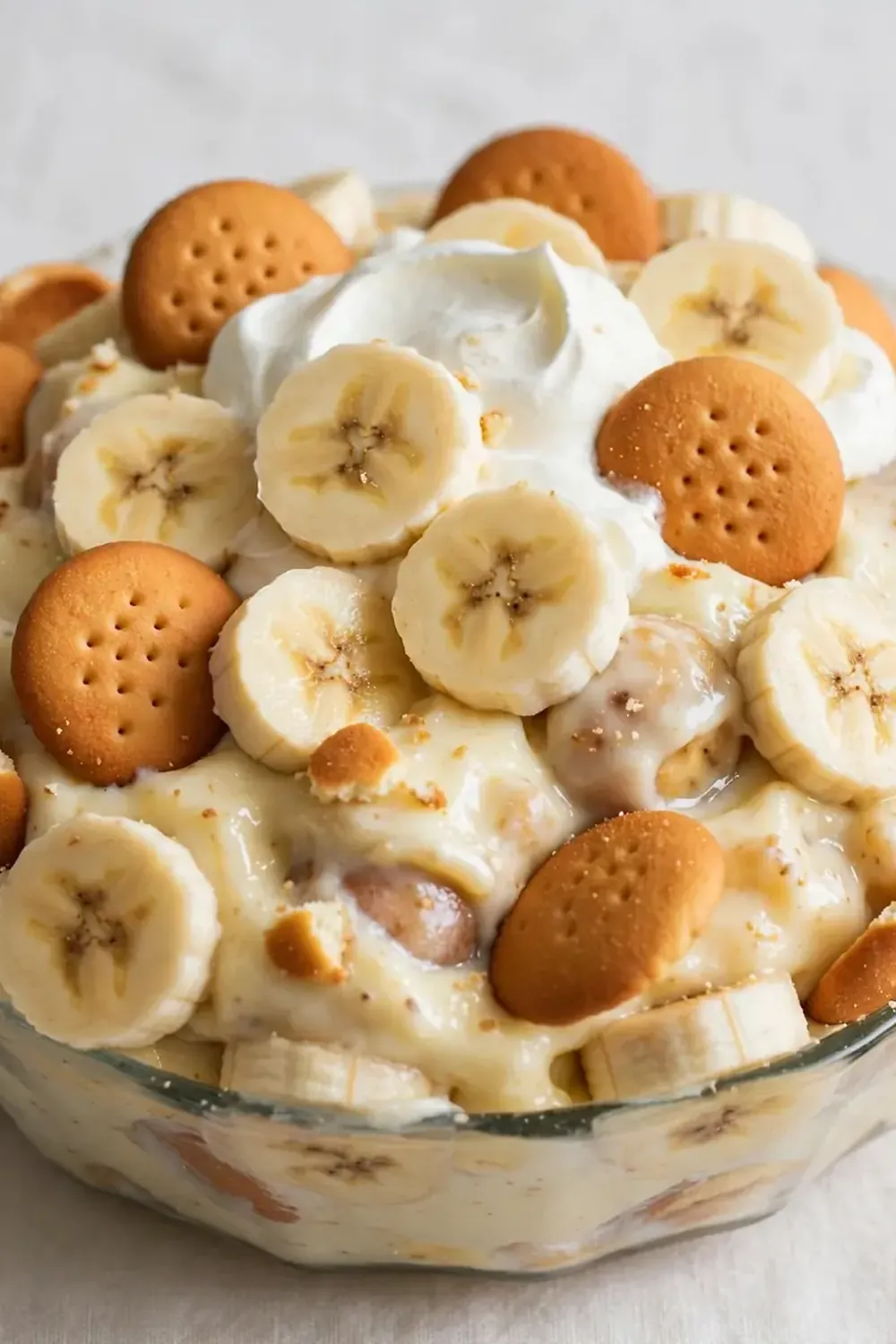
- Layers of texture in every spoonful: You get the slight snap of a wafer against soft, custard-soaked sponge, the silky smoothness of homemade pudding, and the natural sweetness of perfectly ripe banana. Each bite is a different experience.
- Deep, pure vanilla flavour: We’re using real vanilla extract and a vanilla pod (if you have one) to infuse the milk. This isn’t a one-note sweetness; it’s a complex, floral warmth that elevates the entire dish.
- Perfect for sharing on a cosy evening: This pudding is made for gathering round the table, for passing bowls and hearing the satisfied hums of family and friends. It’s the kind of dessert that invites conversation and second helpings.
- Better the next day: While you can enjoy it after a few hours, letting it rest overnight in the fridge allows the flavours to meld beautifully. The custard thickens, the bananas soften, and the wafers transform into a cake-like texture. My kids absolutely devour this every time I make it, and they’re always more excited for the leftovers.
Ingredients You’ll Need
- 600ml whole milk
- 1 vanilla pod, split lengthways (or 2 tsp vanilla bean paste)
- 6 large egg yolks
- 150g caster sugar
- 40g cornflour
- ¼ tsp fine sea salt
- 60g unsalted butter, softened
- 2 tsp vanilla extract (use a good quality one)
- 400ml double cream, very cold
- 2 tbsp icing sugar
- 200g vanilla wafers (like Nilla wafers or a good British alternative)
- 4 large, ripe but firm bananas (look for ones with a few brown spots but no mushiness)
- Juice of ½ a lemon
Tip: For the best flavour, use full-fat milk and cream. Low-fat alternatives will result in a thinner, less luscious custard. The lemon juice is crucial; it stops the bananas from browning and adds a tiny, bright tang that cuts through the richness.
How to Make Classic Banana Pudding with Vanilla Wafers
- Infuse the milk. Pour the milk into a medium saucepan. Scrape the seeds from the vanilla pod into the milk, then drop the pod in too. Place over a medium heat and bring it to a gentle simmer. You’ll know it’s ready when small bubbles appear around the edge of the pan and the milk smells beautifully fragrant. Do not let it boil. Remove from the heat, cover the pan, and let it steep for 15 minutes. This step is where the deep vanilla flavour begins.
- Make the custard base. In a large bowl, whisk the egg yolks and caster sugar together until they turn a pale, creamy yellow and the mixture falls from the whisk in a thick ribbon. This will take about 2-3 minutes of steady whisking. Sift the cornflour and salt into the yolk mixture and whisk again until completely smooth, with no lumps.
- Temper the eggs. Slowly pour a ladleful (about 100ml) of the warm, infused milk into the egg mixture, whisking constantly. This raises the temperature of the eggs gently so they don’t scramble. Repeat with a second ladleful, still whisking. Then, pour the entire egg mixture back into the saucepan with the remaining milk, whisking all the while.
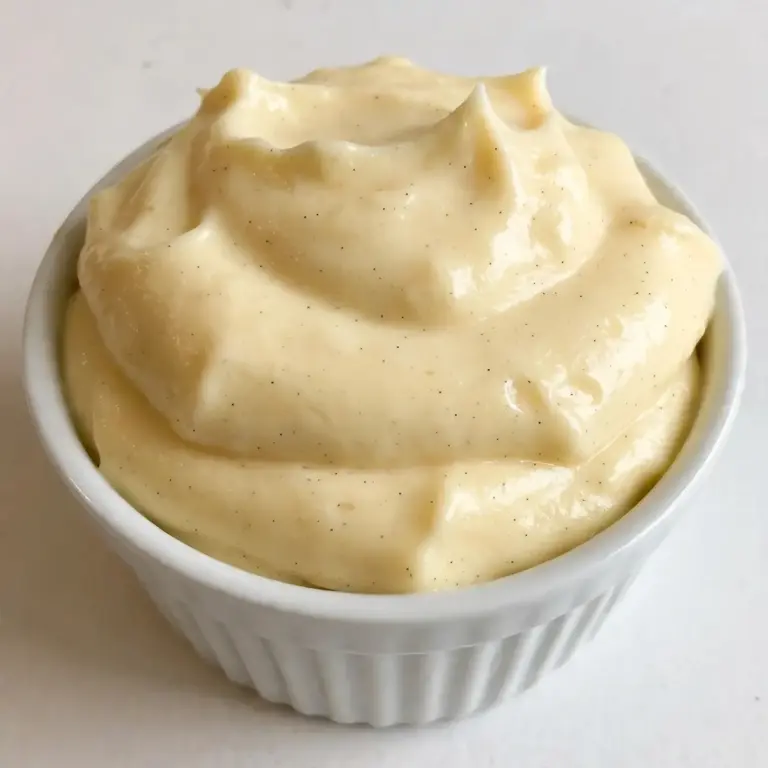
- Cook the pudding. Place the saucepan over a medium-low heat and switch to a wooden spoon. Stir constantly, scraping the bottom and corners of the pan. You’ll feel the mixture start to thicken after about 4-5 minutes. It will change from a thin liquid to a thick, glossy cream that plops rather than pours. The final cue is when you lift the spoon and the custard coats the back thickly; run your finger through it, and the line should hold. This is the ‘nappe’ stage. Remove from the heat immediately.
- Finish the custard. Fish out the vanilla pod (rinse it and save it for making vanilla sugar). Add the softened butter and the 2 teaspoons of vanilla extract, stirring until the butter is completely melted and the custard is silky and glossy. Press a piece of cling film directly onto the surface of the custard to prevent a skin from forming. Let it cool at room temperature for 20 minutes, then refrigerate for at least 1 hour until completely cold.
- Whip the cream and prepare the bananas. In a chilled bowl, pour the cold double cream and add the icing sugar. Whisk with an electric mixer until soft peaks form. You want the cream to hold its shape but still be soft and billowy. Peel the bananas and slice them into ½ cm rounds. Toss them gently in a small bowl with the lemon juice to coat.
- Assemble the pudding. Take a 2-litre baking dish or a large glass bowl. Spread a thin layer of the cold custard on the bottom. Arrange a layer of vanilla wafers on top, covering the custard. Next, add a layer of banana slices. Spoon a third of the remaining custard over the bananas and spread it gently. Repeat the layers: wafers, bananas, custard. Finish with one final layer of wafers and bananas. Top with all the whipped cream, spreading it to the edges to seal in the pudding. The cream acts as a lid.
- Chill and set. Cover the dish with cling film and refrigerate for at least 4 hours, but ideally overnight. As it rests, the wafers will soften and absorb the custard, creating a beautiful, tender, cake-like texture. The flavours will deepen and meld together. When you pull it from the fridge, the surface should be cool and firm to the touch.
Tips From My Kitchen
- Toast your wafers first: For an extra layer of flavour, spread the vanilla wafers on a baking tray and toast them in a 180°C (350°F) oven for 5-7 minutes. You’ll smell a toasty, buttery aroma. Let them cool completely before layering. This gives them a bit more structural integrity so they don’t turn to complete mush.
- Use a kitchen scale for accuracy: Baking and custard-making are about ratios. Weighing your sugar, cornflour, and even your bananas ensures consistent results every time. A few extra grams of cornflour can make the custard gluey, so precision is your friend.
- Don’t rush the tempering process: Adding the hot milk to the eggs too quickly is the number one way to end up with sweetened scrambled eggs. Go slow, whisk constantly, and feel the bowl warm up gradually. It’s a moment of focus that pays off.
- Let the custard cool completely before assembling: If you layer warm custard with the cream and wafers, you’ll end up with a melted, soupy mess. Patience is key. Give the custard its full hour in the fridge, or even longer, until it feels firm and cold to the touch.
- Adjust banana ripeness to your taste: For a pudding that holds its shape, use bananas that are ripe but still firm. If you prefer a very sweet, almost jammy banana flavour, use very ripe, spotty bananas. Just be aware they will be softer and may break down more in the layers.
Equipment You’ll Need
- Medium saucepan
- Large mixing bowls (at least 2)
- Balloon whisk
- Wooden spoon or silicone spatula
- Electric hand mixer or stand mixer (for the cream)
- 2-litre baking dish or large glass bowl
- Sharp knife and cutting board
- Cling film (plastic wrap)
Common Mistakes to Avoid
- Overcooking the custard: Custard can go from perfectly thick to lumpy and curdled in seconds. The moment it coats the back of a spoon and holds a clean line when you drag your finger through it, get it off the heat. If you see small lumps forming, whisk vigorously and remove from the heat immediately.
- Using cold milk in the custard: Adding cold milk directly to the egg mixture will shock the eggs and can lead to a grainy texture. Always bring the milk to a simmer first, and then temper it slowly into the eggs. It ensures a smooth, silky finish.
- Not chilling the pudding long enough: This is the most common mistake. The pudding needs time to set structurally. If you serve it after an hour, it will be runny and the layers won’t hold. The minimum four hours is non-negotiable for a clean slice.
- Over-whipping the cream: Whipped cream should be soft and billowy, not stiff and buttery. Over-whipped cream can separate and feel greasy. Stop whisking as soon as the cream holds soft peaks that flop over gently.
- Using under-ripe bananas: Green bananas are starchy and lack the sweet, aromatic flavour that makes this pudding sing. They also won’t soften properly during the rest time. Wait until your bananas have at least a few brown freckles.
Delicious Variations to Try
- Chocolate Twist: For a deeper flavour, add 50g of finely chopped dark chocolate (70% cocoa) to the hot custard along with the butter, stirring until melted and smooth. The rich chocolate pairs beautifully with the vanilla and banana.
- Spiced Version: Add a pinch of ground cinnamon, a tiny grating of nutmeg, and a pinch of ground cardamom to the milk while it infuses. These warm spices complement the vanilla and give the pudding a festive, autumnal feel.
- Different Biscuit Base: Instead of vanilla wafers, try using speculoos biscuits, digestives, or even a layer of crumbled shortbread. Each will bring a different texture and flavour profile. This was inspired by a dish I had at a little restaurant in the UK that used buttery shortbread fingers.
What to Serve With Classic Banana Pudding with Vanilla Wafers
- A dollop of extra whipped cream and a scattering of toasted flaked almonds for crunch.
- A light dusting of cocoa powder or cinnamon over the top just before serving.
- A side of fresh berries (raspberries or sliced strawberries) to add a tart contrast.
- A strong, hot cup of black coffee or a pot of fragrant mint tea to balance the sweetness.
Still hungry for ideas? You might also love Banana Pudding Brownies A Decadent Layered Dessert, Classic American Banana Pudding from our sister kitchens.
Frequently Asked Questions
Classic Banana Pudding with Vanilla Wafers
Ingredients
Method
-
Infuse the milk. Pour the milk into a medium saucepan. Scrape the seeds from the vanilla pod into the milk, then drop the pod in too. Place over a medium heat and bring it to a gentle simmer. You’ll know it’s ready when small bubbles appear around the edge of the pan and the milk smells beautifully fragrant. Do not let it boil. Remove from the heat, cover the pan, and let it steep for 15 minutes. This step is where the deep vanilla flavour begins.
-
Make the custard base. In a large bowl, whisk the egg yolks and caster sugar together until they turn a pale, creamy yellow and the mixture falls from the whisk in a thick ribbon. This will take about 2-3 minutes of steady whisking. Sift the cornflour and salt into the yolk mixture and whisk again until completely smooth, with no lumps.
-
Temper the eggs. Slowly pour a ladleful (about 100ml) of the warm, infused milk into the egg mixture, whisking constantly. This raises the temperature of the eggs gently so they don’t scramble. Repeat with a second ladleful, still whisking. Then, pour the entire egg mixture back into the saucepan with the remaining milk, whisking all the while.
-
Cook the pudding. Place the saucepan over a medium-low heat and switch to a wooden spoon. Stir constantly, scraping the bottom and corners of the pan. You’ll feel the mixture start to thicken after about 4-5 minutes. It will change from a thin liquid to a thick, glossy cream that plops rather than pours. The final cue is when you lift the spoon and the custard coats the back thickly; run your finger through it, and the line should hold. This is the ‘nappe’ stage. Remove from the heat immediately.
-
Finish the custard. Fish out the vanilla pod (rinse it and save it for making vanilla sugar). Add the softened butter and the 2 teaspoons of vanilla extract, stirring until the butter is completely melted and the custard is silky and glossy. Press a piece of cling film directly onto the surface of the custard to prevent a skin from forming. Let it cool at room temperature for 20 minutes, then refrigerate for at least 1 hour until completely cold.
-
Whip the cream and prepare the bananas. In a chilled bowl, pour the cold double cream and add the icing sugar. Whisk with an electric mixer until soft peaks form. You want the cream to hold its shape but still be soft and billowy. Peel the bananas and slice them into ½ cm rounds. Toss them gently in a small bowl with the lemon juice to coat.
-
Assemble the pudding. Take a 2-litre baking dish or a large glass bowl. Spread a thin layer of the cold custard on the bottom. Arrange a layer of vanilla wafers on top, covering the custard. Next, add a layer of banana slices. Spoon a third of the remaining custard over the bananas and spread it gently. Repeat the layers: wafers, bananas, custard. Finish with one final layer of wafers and bananas. Top with all the whipped cream, spreading it to the edges to seal in the pudding. The cream acts as a lid.
-
Chill and set. Cover the dish with cling film and refrigerate for at least 4 hours, but ideally overnight. As it rests, the wafers will soften and absorb the custard, creating a beautiful, tender, cake-like texture. The flavours will deepen and meld together. When you pull it from the fridge, the surface should be cool and firm to the touch.
Notes
I hope you find the same quiet joy in making this pudding as I do. There’s something deeply satisfying about seeing those simple ingredients transform into something so comforting and generous. If you give it a try, I’d love to hear how it went in the comments below. Did you add your own twist? Did the kitchen smell as wonderful as I promised? Let’s keep the conversation going. And if you’re in the mood for another sweet project, you might enjoy making these Chewy Chocolate Caramel Cookies For Holiday Trays or a batch of Last Minute Thanksgiving Desserts For Holiday Joy for your next cosy weekend.