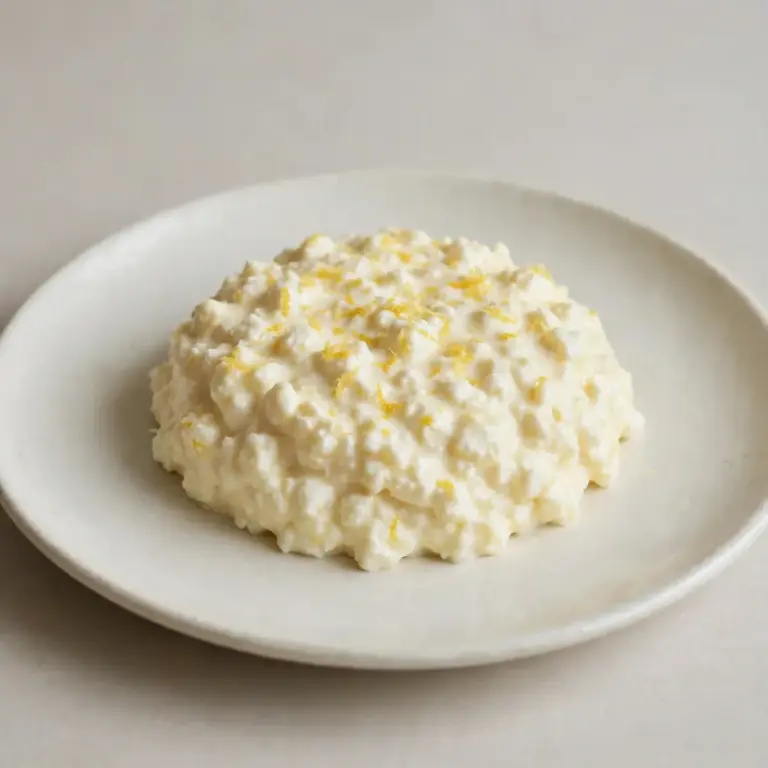
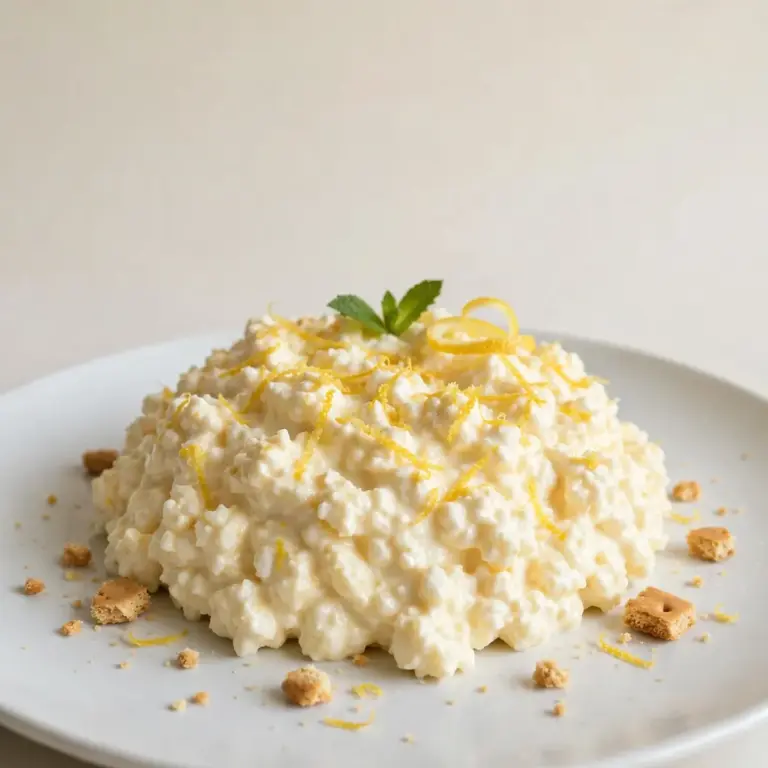
Tangy Lemon Cottage Cheese Pudding Dessert
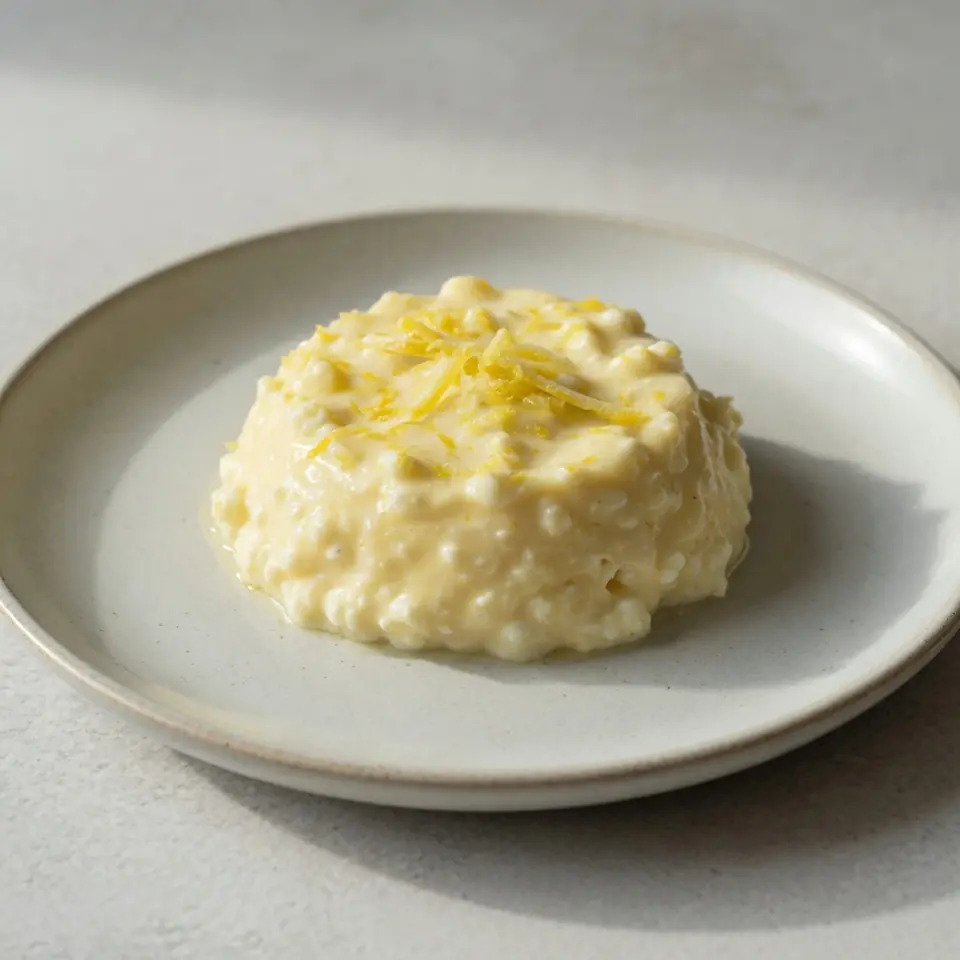
I remember a Tuesday evening, about three years ago, when the children had swimming, football practice, and a mountain of homework between them. My husband was working late, and I had precisely twenty minutes to produce something that resembled a proper meal. I stared into the fridge, feeling that familiar wave of exhaustion, and saw a tub of cottage cheese, a bag of lemons, and a half-used carton of eggs. That night, out of sheer desperation, I threw them together into a ramekin and baked it. The result was so unexpectedly good—creamy, tart, and surprisingly satisfying—that my youngest asked for it again the following week. That is how this Tangy Lemon Cottage Cheese Pudding Dessert was born, and it has been a staple in our frantic household ever since.
Recipe Overview
- Prep time: 10 minutes
- Cook time: 30 minutes
- Total time: 40 minutes (plus optional 2 hours chilling)
- Servings: 4 individual ramekins
- Difficulty: Beginner-friendly
Why You’ll Love This Tangy Lemon Cottage Cheese Pudding Dessert
- One bowl, one whisk, no fuss: You mix everything in a single bowl, pour it into ramekins, and bake, similar to the approach in our Sweet Strawberries And Cream French Toast for a quick and easy breakfast treat.com/easy-avocado-toast-with-tomatoes-and-greens/”>Easy Avocado Toast With Tomatoes And Greens for a quick and easy dish.com/blueberry-scones-tutorial-for-perfect-baking/”>Blueberry Scones Tutorial For Perfect Baking. There is no stand mixer, no double boiler, and no separating eggs required. Cleanup takes less than two minutes.
- Ready in under forty minutes: From the moment you open the fridge to the moment you pull the puddings out of the oven, you are looking at about forty minutes. That fits neatly into the chaos of a school night.
- Make-ahead magic: You can prepare the batter the night before, store it covered in the fridge, and bake it fresh when you walk in the door the next evening. It also keeps beautifully for three days once baked.
- Naturally lighter, but still indulgent: Cottage cheese brings a creamy texture and a protein boost without the heaviness of clotted cream or double cream. The lemon cuts through any richness, leaving you with a dessert that feels virtuous but tastes like a treat.
- No special equipment needed: You do not need a blender, a food processor, or a fancy ovenproof dish. A fork, a bowl, a set of ramekins or a small baking dish, and your oven are all that stand between you and pudding.
Ingredients You’ll Need
- 500 g full-fat cottage cheese
- 3 large eggs
- 100 g caster sugar
- Zest of 2 unwaxed lemons
- 60 ml fresh lemon juice (about 2 lemons)
- 30 g plain flour (all-purpose)
- 1 teaspoon vanilla extract
- ¼ teaspoon fine sea salt
- Butter or oil, for greasing the ramekins
- Optional: 2 tablespoons icing sugar, for dusting
- Optional: fresh berries or a dollop of thick yoghurt, to serve
Tip: Use full-fat cottage cheese for the creamiest result. Low-fat versions can make the pudding watery and less stable. If the cottage cheese is very lumpy, give it a quick stir with a fork before adding the other ingredients—you want a fairly smooth base, though a few small curds are perfectly fine.
How to Make Tangy Lemon Cottage Cheese Pudding Dessert
- Preheat your oven to 170°C (fan-assisted) or 190°C conventional. While it heats, generously grease four 200 ml ramekins with butter or a neutral oil. Place them on a baking tray—this makes sliding them in and out of the oven much easier and catches any accidental drips.
- In a large mixing bowl, combine the cottage cheese, eggs, caster sugar, lemon zest, lemon juice, flour, vanilla extract, and salt. Use a fork or a balloon whisk to mix everything together. At first, the cottage cheese will look lumpy, but keep stirring. After about thirty seconds, the mixture will become smooth, pale yellow, and slightly frothy on top. You should smell the bright, clean scent of lemon as you work.
- Divide the batter evenly among the four ramekins. Each ramekin should be about three-quarters full. The batter will be thin and pourable, like a loose pancake batter. Tap each ramekin gently on the worktop to release any trapped air bubbles—you will see a few small bubbles rise to the surface and pop.
- Place the baking tray with the ramekins into the preheated oven. Bake for 25 to 30 minutes. At the 20-minute mark, check them: the edges should be set and lightly golden, while the centre will still wobble like a gentle jelly when you nudge the ramekin. The surface will be pale gold, and you will notice the pudding pulling away slightly from the sides of the dish.
- Remove the tray from the oven and let the puddings rest on a wire rack for at least 10 minutes. During this time, the residual heat continues to set the centre. You will see the tops settle and become slightly domed. If you serve them too early, they will be runny in the middle—patience is rewarded here.
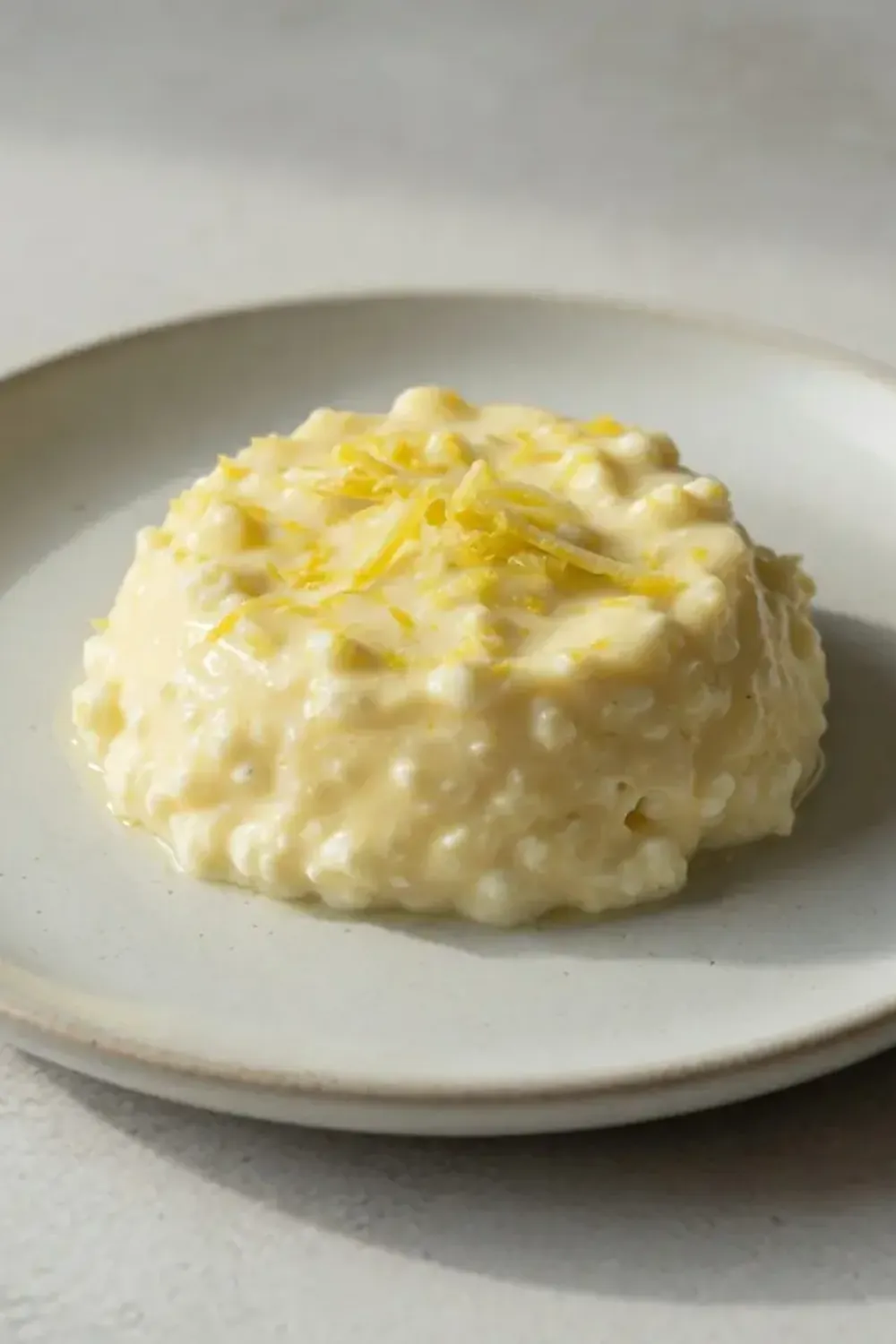
- Dust with icing sugar through a fine sieve, if using, and add a few fresh berries or a spoonful of thick yoghurt. Serve warm, directly in the ramekins. The texture should be like a soft, creamy cheesecake—spoonable, with a slight resistance from the cottage cheese curds, and a bright, tangy finish that lingers on your tongue.
Tips From My Kitchen
- Zest before you juice: Always zest the lemons first. Once you juice them, the fruit becomes soft and difficult to grate. A microplane or fine grater works best—you want the fragrant yellow part, not the bitter white pith underneath. I keep a small bowl of zest in the fridge whenever I buy lemons, just for this recipe.
- Room temperature eggs matter: Cold eggs can make the batter seize slightly and take longer to bake evenly. Take your eggs out of the fridge fifteen minutes before you start, or place them in a bowl of lukewarm water for five minutes. You will notice the batter comes together more smoothly and bakes more evenly.
- Do not overmix once the flour is added: Stir just until the flour disappears into the batter. Overmixing develops the gluten, which can make the pudding tough rather than tender. The batter should look smooth but not elastic—stop as soon as there are no visible streaks of flour.
- Use a water bath for extra creaminess: If you have an extra five minutes, place the ramekins inside a larger baking dish and pour hot water halfway up the sides of the ramekins before baking. This gentle, steamy heat prevents the edges from setting too quickly and gives you an ultra-creamy, custard-like texture. The puddings will take about five minutes longer to bake this way.
- Make it ahead for busy evenings: You can prepare the batter up to 24 hours in advance. Pour it into the greased ramekins, cover each with cling film, and refrigerate. When you are ready to bake, add five minutes to the cooking time because the batter will be cold. The puddings also reheat well: microwave individual ramekins for 20 seconds, or warm them in a 150°C oven for 10 minutes.
- Scale the recipe up or down easily: This recipe works for a single serving or a crowd. For one ramekin, use 125 g cottage cheese, 1 small egg, 25 g sugar, and half a lemon’s zest and juice. The bake time stays roughly the same—just watch for the wobble test. Friends always ask me for this recipe after trying it at dinner parties, and I love that I can double or triple it without any fuss.
Common Mistakes to Avoid
- Overcrowding the pan: If you bake the puddings too close together on the tray, the hot air cannot circulate properly, and the edges will cook faster than the centres. Leave at least 3 cm between each ramekin. If you are baking a single large dish instead of individual ramekins, make sure there is space around it too.
- Wrong temperature: Baking at too high a temperature will cause the puddings to puff up dramatically and then collapse, leaving a cracked surface and a grainy texture. Stick to 170°C fan-assisted. If your oven runs hot, check the puddings at 22 minutes rather than 25. The surface should be just set with a gentle wobble in the centre.
- Skipping the rest time: I used to struggle with this dish until I discovered that resting the puddings after baking is non-negotiable. If you dig in straight away, the centre will be liquid and the structure will collapse. That ten-minute rest allows the proteins to relax and the pudding to set into that perfect spoonable consistency. Use that time to wash up the bowl and whisk—you will be glad you did.
What to Serve With Tangy Lemon Cottage Cheese Pudding Dessert
- A handful of fresh raspberries or blueberries, for a burst of colour and tartness
- A generous dollop of plain Greek yoghurt, to balance the lemon with creaminess
- A light dusting of icing sugar and a single mint leaf on each ramekin
- A side of shortbread biscuits for a buttery crunch—perfect for dipping into the soft centre
- For a more substantial dessert, serve alongside our Creamy No Bake Oreo Cheesecake Cups Recipe 2 for a fun pudding bar the whole family can enjoy
Frequently Asked Questions
Tangy Lemon Cottage Cheese Pudding Dessert
Ingredients
Method
-
Preheat your oven to 170°C (fan-assisted) or 190°C conventional. While it heats, generously grease four 200 ml ramekins with butter or a neutral oil. Place them on a baking tray—this makes sliding them in and out of the oven much easier and catches any accidental drips.
-
In a large mixing bowl, combine the cottage cheese, eggs, caster sugar, lemon zest, lemon juice, flour, vanilla extract, and salt. Use a fork or a balloon whisk to mix everything together. At first, the cottage cheese will look lumpy, but keep stirring. After about thirty seconds, the mixture will become smooth, pale yellow, and slightly frothy on top. You should smell the bright, clean scent of lemon as you work.
-
Divide the batter evenly among the four ramekins. Each ramekin should be about three-quarters full. The batter will be thin and pourable, like a loose pancake batter. Tap each ramekin gently on the worktop to release any trapped air bubbles—you will see a few small bubbles rise to the surface and pop.
-
Place the baking tray with the ramekins into the preheated oven. Bake for 25 to 30 minutes. At the 20-minute mark, check them: the edges should be set and lightly golden, while the centre will still wobble like a gentle jelly when you nudge the ramekin. The surface will be pale gold, and you will notice the pudding pulling away slightly from the sides of the dish.
-
Remove the tray from the oven and let the puddings rest on a wire rack for at least 10 minutes. During this time, the residual heat continues to set the centre. You will see the tops settle and become slightly domed. If you serve them too early, they will be runny in the middle—patience is rewarded here.
-
Dust with icing sugar through a fine sieve, if using, and add a few fresh berries or a spoonful of thick yoghurt. Serve warm, directly in the ramekins. The texture should be like a soft, creamy cheesecake—spoonable, with a slight resistance from the cottage cheese curds, and a bright, tangy finish that lingers on your tongue.
Notes
This Tangy Lemon Cottage Cheese Pudding Dessert has rescued more of my weeknights than I can count. It is the kind of recipe that asks very little of you but gives back a great deal—a warm, creamy, citrusy hug after a long day. If you give it a try, I would love to hear how it went. Drop a comment below and tell me if your family asked for seconds, or if you found a clever variation of your own. Happy baking!