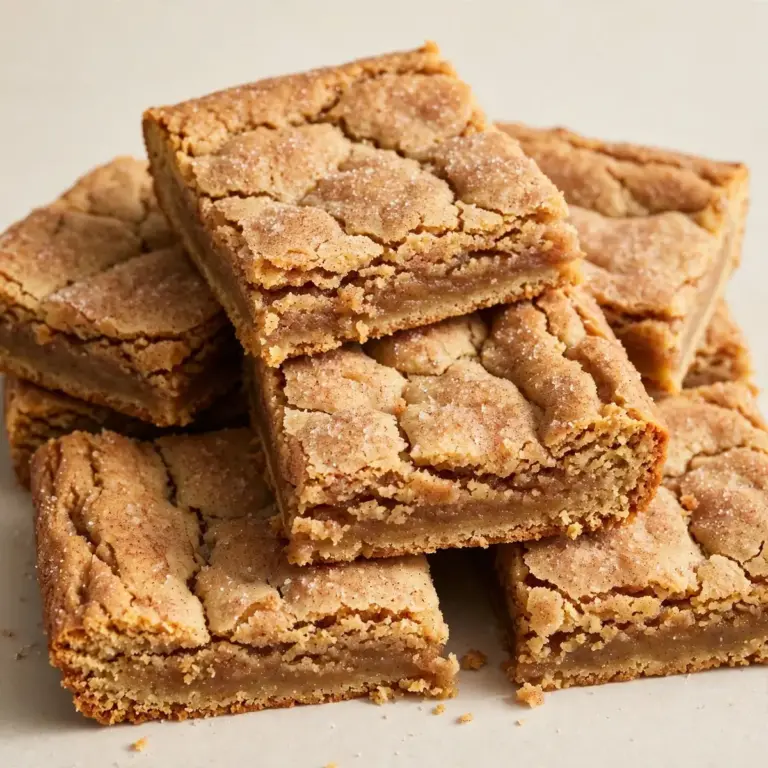
Moist Banana Cake With Brown Butter Frosting
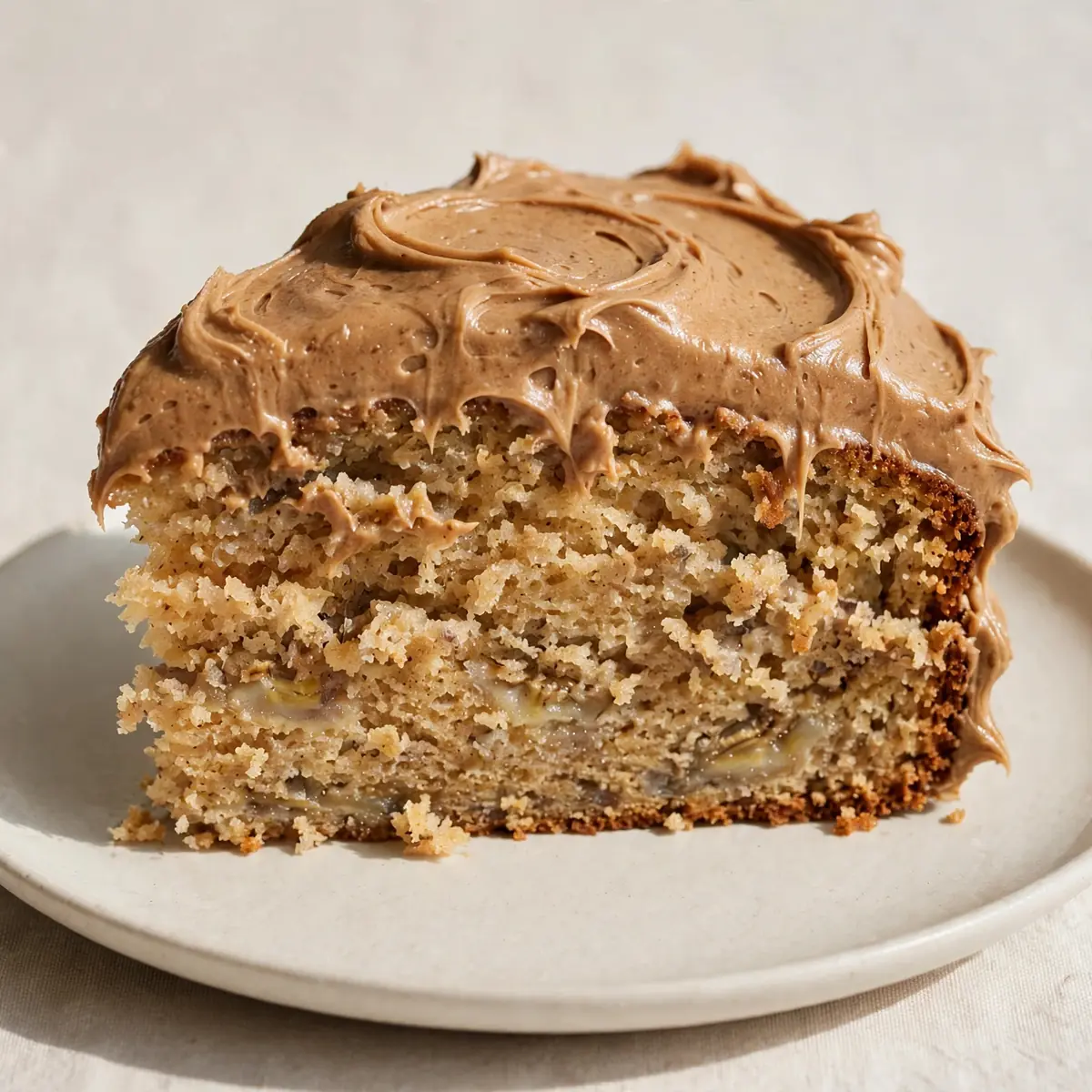
Some recipes are for weeknight efficiency; this one is for a slow, rainy Saturday afternoon when the only agenda is the scent of butter browning in a pan and the satisfying squelch of a ripe banana between your fingers. I stumbled upon this combination of a deeply moist banana cake and a nutty, caramelised brown butter frosting by accident, and it’s been a hit ever since. This is your invitation to pull on an apron, turn on some music, and spend a few unhurried hours creating something truly special.
Recipe Overview
- Prep Time: 25 minutes
- Cook Time: 45-50 minutes
- Total Time: 1 hour 15 minutes (plus cooling time)
- Servings: 12 generous slices
- Difficulty: Medium (the frosting requires a little patience)
Why You’ll Love This Moist Banana Cake with Brown Butter Frosting
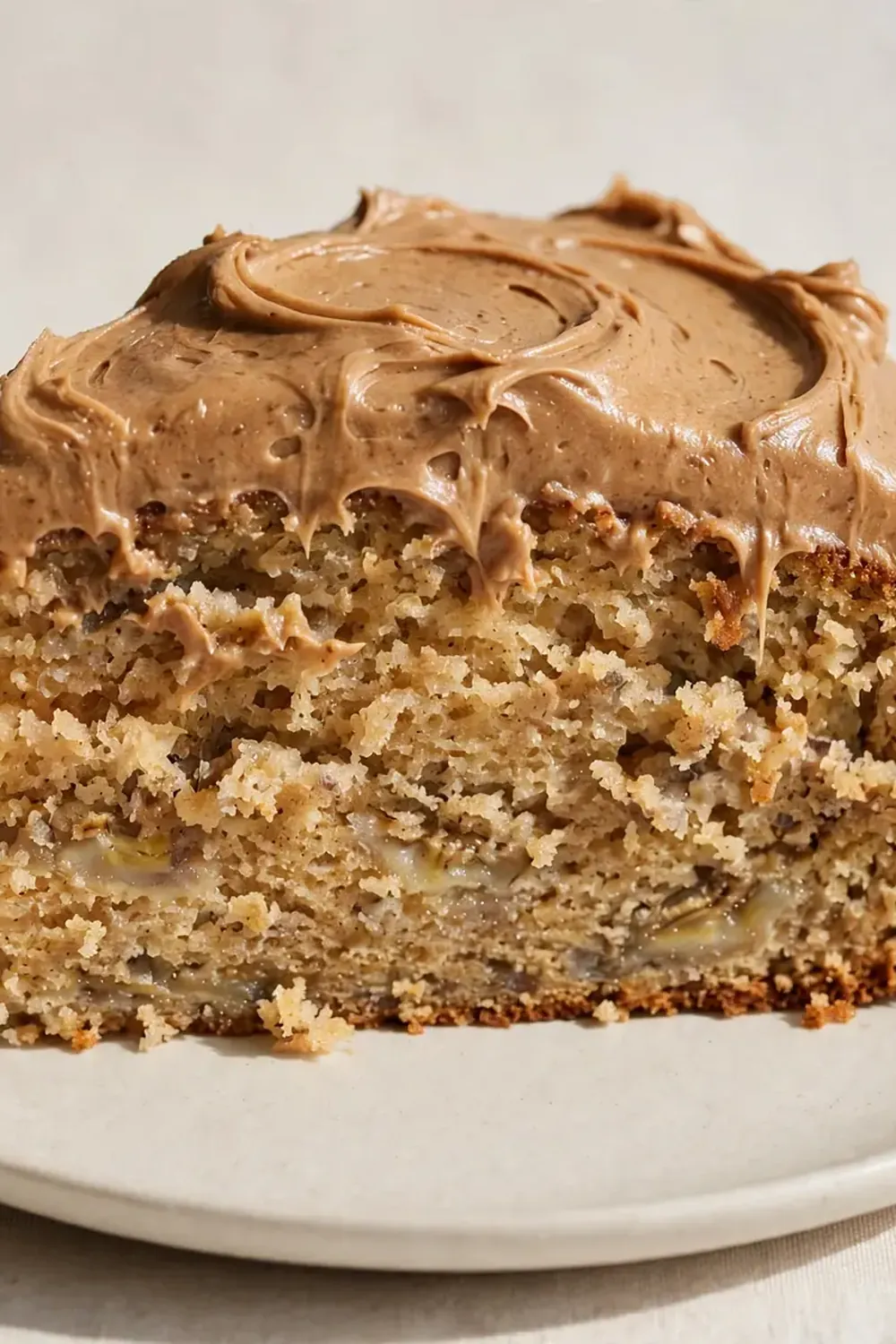
- Unrivalled Moisture: Overripe bananas and a touch of buttermilk create a crumb so tender it practically melts. This cake stays moist for days, if it lasts that long.
- The Magic of Brown Butter: Toasting the butter until it turns a deep amber and smells like hazelnuts elevates a simple frosting into something complex and sophisticated. It’s a small step with a huge reward.
- Perfectly Balanced Sweetness: The natural sugars in the bananas mean we can reduce the refined sugar in the cake, while the frosting provides just enough sweetness to complement, not overwhelm.
- Aromatherapy in Your Kitchen: From the moment the butter begins to sizzle to the final slice, your home will be filled with the most comforting, cosy aromas. It’s a sensory experience from start to finish.
- Forgiving & Flexible: This batter is robust. You can fold in walnuts, chocolate chips, or a swirl of caramel without worry, making it a brilliant base for your own creations.
Ingredients You’ll Need
- 250g plain (all-purpose) flour
- 1 teaspoon bicarbonate of soda
- ½ teaspoon baking powder
- ½ teaspoon fine sea salt
- 1 teaspoon ground cinnamon
- 115g unsalted butter, softened to room temperature (for the cake)
- 150g golden caster sugar
- 100g light brown sugar, firmly packed
- 2 large free-range eggs, at room temperature
- 1 teaspoon vanilla extract
- 3 very ripe medium bananas, mashed (about 350g mashed weight)
- 120ml buttermilk, shaken
- For the Brown Butter Frosting:
- 115g unsalted butter (for browning)
- 250g icing (powdered) sugar, sifted
- 2-3 tablespoons whole milk or double cream
- ½ teaspoon vanilla extract
- A pinch of flaky sea salt (optional, but lovely)
Tip: For the best flavour, use bananas that are heavily speckled with brown spots, almost black. They are sweeter and will mash into a beautiful, aromatic purée. If your bananas aren’t ripe enough, place them (unpeeled) on a baking tray in a 150°C (300°F) oven for 15-20 minutes until the skins blacken.
How to Make Moist Banana Cake with Brown Butter Frosting
- Preheat and prepare. Set your oven to 180°C (160°C fan)/350°F. Grease a 20cm (8-inch) square baking tin and line it with a strip of parchment paper, leaving an overhang on two opposite sides to act as handles. The room will start to feel warm and inviting.
- Whisk the dry ingredients. In a medium bowl, whisk together the flour, bicarbonate of soda, baking powder, salt, and cinnamon. The cinnamon will release its earthy, sweet scent as you whisk. Set this bowl aside.
- Cream the butter and sugars. In a large bowl using a stand mixer or hand mixer, beat the 115g of softened butter with the golden caster sugar and light brown sugar until pale, light, and fluffy. This takes about 3-4 minutes. You’ll see the mixture become airy and hear it change from a slapping sound to a softer, smoother rhythm.
- Add the eggs and banana. Beat in the eggs one at a time, ensuring the first is fully incorporated before adding the second. Add the vanilla extract. The batter will look smooth and glossy. Now, fold in the mashed banana using a spatula. Don’t worry if the batter looks a little curdled at this point – it’s perfectly fine and the texture of the banana will ensure a moist cake.
- Combine wet and dry. Gently fold half of the flour mixture into the wet ingredients until just a few streaks of flour remain. Pour in the buttermilk and fold again. Finally, add the remaining flour mixture and fold until no dry pockets remain. Stop as soon as it comes together; the batter should be thick, creamy, and smell wonderfully fruity.
- Bake the cake. Pour the batter into the prepared tin and smooth the top with a spatula. Bake for 45-50 minutes. The cake is ready when a skewer inserted into the centre comes out clean or with a few moist crumbs. The top should be a deep golden brown, and the edges will have pulled slightly away from the sides of the tin. A wonderful, sweet banana aroma will fill your kitchen. Let the cake cool in the tin for 15 minutes, then use the parchment overhang to lift it onto a wire rack to cool completely.
- Make the brown butter frosting. While the cake cools, place the 115g of butter for the frosting in a small, light-coloured saucepan over a medium heat. Melt the butter, then continue to cook, swirling the pan occasionally. First, it will foam, then the milk solids at the bottom will turn from pale yellow to a deep, nutty brown. You’ll smell a distinct, toasty, hazelnut-like aroma. As soon as it reaches a deep amber colour and the aroma is intense, remove the pan from the heat and pour the butter into a heatproof bowl (including all the brown bits at the bottom). Allow it to cool until it is just warm to the touch, about 10-15 minutes, but still liquid.
- Finish the frosting. Add the sifted icing sugar, 2 tablespoons of milk or cream, and the vanilla extract to the cooled brown butter. Beat with a hand mixer on low speed until combined, then increase to high speed and beat for 2-3 minutes until light, fluffy, and spreadable. If it’s too thick, add the remaining tablespoon of milk. If it’s too thin, add a little more icing sugar. The frosting should be silky and glossy.
- Frost and serve. Once the cake is completely cool, spread the brown butter frosting evenly over the top. For a decorative touch, create swirls with the back of a spoon. Sprinkle with a pinch of flaky sea salt if using. Slice and serve.
Tips From My Kitchen
- Room temperature ingredients are non-negotiable. Cold eggs or butter will cause your batter to curdle and result in a denser, less tender cake. Take everything out of the fridge 30-45 minutes before you start. The buttermilk should also be at room temperature – you can warm it gently in the microwave for 10 seconds if you forget.
- Don’t overmix the batter. Once you add the flour, gluten development begins. Overmixing will produce a tough, rubbery cake. Fold only until the last trace of white flour disappears. A few small lumps are far better than a smooth, overworked batter.
- Watch the brown butter like a hawk. Brown butter can go from perfect to burnt in seconds. Using a light-coloured pan is crucial so you can see the colour change. Once the foam subsides and you see the milk solids turning a rich amber, remove the pan immediately. The residual heat will continue to cook it slightly.
- Cool the cake completely before frosting. If the cake is even slightly warm, the frosting will melt and slide right off. Patience is key here. I’ve been making this for over 5 years, and it never disappoints when I wait the full cooling time. Place the cake in the fridge for 15 minutes after cooling to speed up the process.
- Use a kitchen scale for accuracy. Measuring flour by volume (cups) can be wildly inconsistent, leading to a dry cake. Weighing your flour in grams ensures you get the perfect, moist crumb every single time. It’s the single best investment for consistent baking.
Equipment You’ll Need
- Stand mixer or hand mixer
- 20cm (8-inch) square baking tin
- Parchment paper
- Wire cooling rack
- Small, light-coloured saucepan (for browning butter)
- Mixing bowls (medium and large)
- Whisk and silicone spatula
Common Mistakes to Avoid
- Using underripe bananas: Green or barely yellow bananas lack the sweetness and moisture needed for this cake. They will result in a dry, starchy, and less flavourful bake. Always use bananas that are heavily speckled or even black for the best, most intense banana flavour and moisture.
- Burning the brown butter: This is the most common pitfall. If the butter turns black or smells acrid, you must discard it and start again. Burnt butter will ruin the entire frosting with a bitter, unpleasant taste. Keep the heat medium and stay by the pan.
- Skipping the cooling time: Rushing to frost a warm cake is a recipe for disaster. The frosting will melt into a puddle, and the cake’s crumb may tear. Allow the cake to cool completely on a wire rack, which can take 1-2 hours. Your patience will be rewarded with a beautiful, clean finish.
Delicious Variations to Try
- Spiced Banana Cake: Add ½ teaspoon of ground ginger and a pinch of ground cloves to the flour mixture for a warming, autumnal twist. The spices pair beautifully with the brown butter.
- Chocolate Chip Banana Cake: Fold 150g of dark or milk chocolate chips into the batter just before pouring it into the tin. The pockets of melted chocolate are a wonderful contrast to the tender banana crumb.
- Nutty Banana Cake: Toast 100g of chopped walnuts or pecans in a dry pan until fragrant, then fold them into the batter along with the flour. You can also sprinkle a handful on top of the frosting for extra crunch.
What to Serve With Moist Banana Cake with Brown Butter Frosting
- A dollop of crème fraîche or lightly whipped double cream to cut through the sweetness.
- A hot cup of strong black coffee or a chai latte to complement the spiced notes.
- For a truly indulgent dessert, serve a slice warm with a scoop of vanilla bean ice cream.
Still hungry for ideas? You might also love Moist Banana Cake Recipe Snack, Peanut Butter Banana Toast from our sister kitchens.
Frequently Asked Questions
Moist Banana Cake with Brown Butter Frosting
Ingredients
Method
- Preheat and prepare. Set your oven to 180°C (160°C fan)/350°F. Grease a 20cm (8-inch) square baking tin and line it with a strip of parchment paper, leaving an overhang on two opposite sides to act as handles. The room will start to feel warm and inviting.
- Whisk the dry ingredients. In a medium bowl, whisk together the flour, bicarbonate of soda, baking powder, salt, and cinnamon. The cinnamon will release its earthy, sweet scent as you whisk. Set this bowl aside.
- Cream the butter and sugars. In a large bowl using a stand mixer or hand mixer, beat the 115g of softened butter with the golden caster sugar and light brown sugar until pale, light, and fluffy. This takes about 3-4 minutes. You’ll see the mixture become airy and hear it change from a slapping sound to a softer, smoother rhythm.
- Add the eggs and banana. Beat in the eggs one at a time, ensuring the first is fully incorporated before adding the second. Add the vanilla extract. The batter will look smooth and glossy. Now, fold in the mashed banana using a spatula. Don't worry if the batter looks a little curdled at this point – it's perfectly fine and the texture of the banana will ensure a moist cake.
- Combine wet and dry. Gently fold half of the flour mixture into the wet ingredients until just a few streaks of flour remain. Pour in the buttermilk and fold again. Finally, add the remaining flour mixture and fold until no dry pockets remain. Stop as soon as it comes together; the batter should be thick, creamy, and smell wonderfully fruity.
- Bake the cake. Pour the batter into the prepared tin and smooth the top with a spatula. Bake for 45-50 minutes. The cake is ready when a skewer inserted into the centre comes out clean or with a few moist crumbs. The top should be a deep golden brown, and the edges will have pulled slightly away from the sides of the tin. A wonderful, sweet banana aroma will fill your kitchen. Let the cake cool in the tin for 15 minutes, then use the parchment overhang to lift it onto a wire rack to cool completely.
- Make the brown butter frosting. While the cake cools, place the 115g of butter for the frosting in a small, light-coloured saucepan over a medium heat. Melt the butter, then continue to cook, swirling the pan occasionally. First, it will foam, then the milk solids at the bottom will turn from pale yellow to a deep, nutty brown. You'll smell a distinct, toasty, hazelnut-like aroma. As soon as it reaches a deep amber colour and the aroma is intense, remove the pan from the heat and pour the butter into a heatproof bowl (including all the brown bits at the bottom). Allow it to cool until it is just warm to the touch, about 10-15 minutes, but still liquid.
- Finish the frosting. Add the sifted icing sugar, 2 tablespoons of milk or cream, and the vanilla extract to the cooled brown butter. Beat with a hand mixer on low speed until combined, then increase to high speed and beat for 2-3 minutes until light, fluffy, and spreadable. If it’s too thick, add the remaining tablespoon of milk. If it’s too thin, add a little more icing sugar. The frosting should be silky and glossy.
- Frost and serve. Once the cake is completely cool, spread the brown butter frosting evenly over the top. For a decorative touch, create swirls with the back of a spoon. Sprinkle with a pinch of flaky sea salt if using. Slice and serve.
Notes
I hope this cake becomes a cherished part of your weekend rhythm, a small ritual that fills your home with warmth and your table with joy. I’d love to hear how you get on – what tweaks did you make, or did you serve it with something unexpected? Leave a comment below and share your experience. And if you’re looking for another sweet treat to bake this weekend, you might also enjoy our Bakery Style Strawberry Cream Cheese Muffins or these Tangy Lemon Blueberry Desserts for a different flavour profile. Happy baking!