Ingredients
Method
- Combine Dry Ingredients: In a large mixing bowl, whisk together the plain flour, caster sugar, baking powder, bicarbonate of soda, and salt. Make sure there are no lumps and the mixture looks consistently pale and uniform. This ensures even distribution of the leavening agents.
- Whisk Wet Ingredients: In a separate medium bowl, whisk together the milk, eggs, melted butter (which should still be warm but not hot to the touch), and vanilla extract. If using, stir in the apple cider vinegar now; you might notice a slight curdling or thickening, which is perfectly normal and helps activate the leavening.
- Combine Wet and Dry: Pour the wet ingredients into the dry ingredients. Using a whisk or spatula, mix until just combined. The batter should look lumpy, thick, and have visible streaks of flour; do not overmix, as this develops gluten and makes for tough pancakes.
- Rest the Batter: Let the batter rest at room temperature for 5-10 minutes. You'll notice small bubbles starting to form on the surface, indicating the leavening agents are working their magic and promising a light texture. This rest time is crucial for ultimate fluffiness.
- Heat the Pan: Heat a large non-stick frying pan or griddle over a medium heat. Lightly grease with a little butter or oil – you’ll see a slight sheen across the pan. Once a droplet of water sizzles and evaporates quickly on the surface, it’s ready.
- Cook the Pancakes: Pour about ¼ cup (60ml) of batter per pancake onto the hot pan. Cook for 2-3 minutes until you see many bubbles forming on the surface and the edges appear set and slightly golden brown. When you gently lift an edge, it should come away cleanly from the pan and be beautifully golden.
- Flip and Finish: Carefully flip the pancakes using a spatula. Cook for another 1-2 minutes on the second side until they puff up further and are a deep golden brown, yielding a springy touch when pressed gently. You might even hear a soft sizzling as the second side cooks.
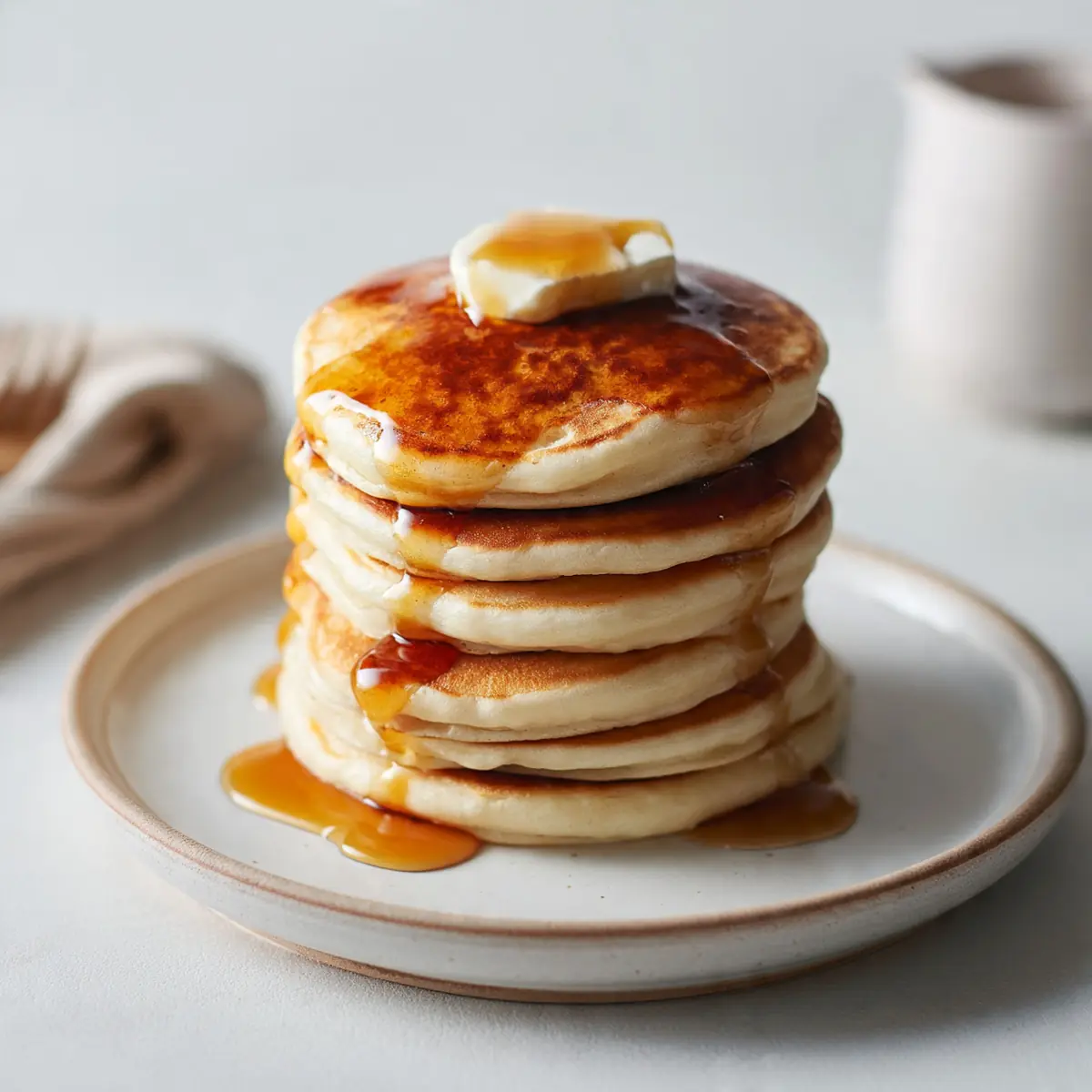
- Stack and Serve: Transfer cooked pancakes to a plate and keep warm while you cook the remaining batter. Continue cooking in batches, re-greasing the pan lightly between each batch if needed. The aroma of freshly cooked pancakes will fill your kitchen, a sure sign of a delicious dinner ahead!
Notes
Do not overmix the batter, as this develops gluten and makes for tough pancakes; lumps are perfectly fine. The 5-10 minute rest time for the batter is crucial for ultimate fluffiness, allowing the leavening agents to work. Remember to re-grease the pan lightly between each batch if needed to prevent sticking and ensure even browning.