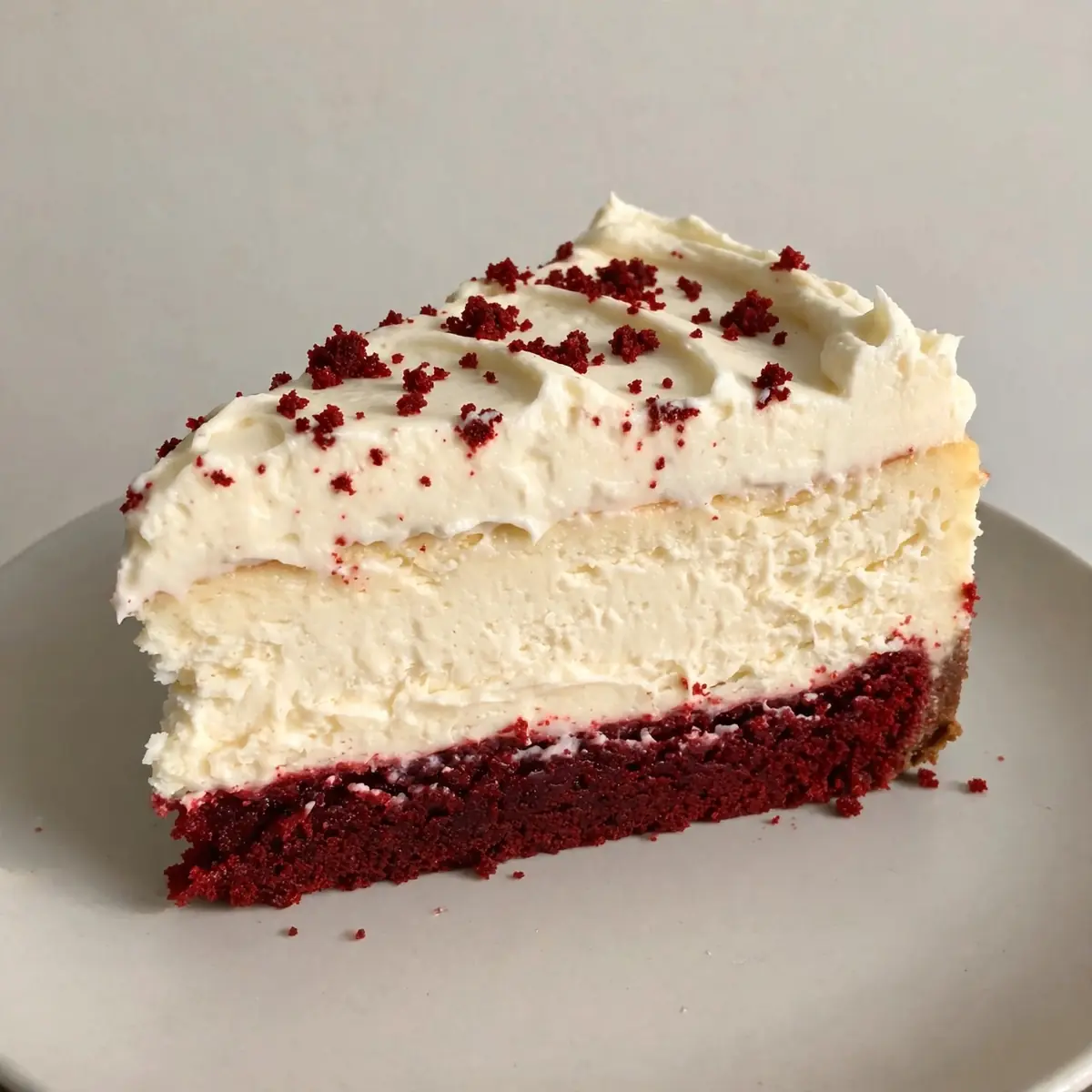
Ingredients
Method
- Make the biscuit base: Blitz the digestive biscuits in a food processor until they resemble fine, dark sand. Pour in the melted butter and pulse until the mixture clumps when pressed between your fingers — it should smell deeply of toasted grain. Press this firmly into the base of a 23cm springform tin lined with parchment, using the flat bottom of a glass to compact it evenly. Bake at 160°C (fan) for 10 minutes, until it smells nutty and looks slightly darker at the edges. Set aside to cool completely.
- Prepare the cheesecake filling: In a large bowl, beat the 900g cream cheese with the caster sugar on low speed until just smooth — stop the moment you see no lumps, because over-beating incorporates air that will crack the surface later. Add the eggs one at a time, mixing gently after each until the yolk disappears into the pale mass. Stir in the vanilla and double cream; the mixture should look glossy and thick, like a thick custard that hasn't yet set. Pour this over the cooled biscuit base.
- Bake the cheesecake layer: Place the springform tin in a deep roasting tray and pour boiling water into the tray until it reaches halfway up the sides of the tin — this gentle steam bath ensures a creamy, even texture. Bake at 150°C (fan) for 50–55 minutes. The edges should look set and slightly puffed, but the centre will wobble like a jelly when you gently shake the tin. Turn the oven off, prop the door open with a wooden spoon, and let the cheesecake rest inside for 1 hour. Transfer to the fridge for at least 4 hours, or overnight — the surface will feel firm and cool to the touch.
- Make the red velvet cake layer: In a medium bowl, whisk together the flour, cocoa powder, bicarbonate of soda, and salt. The cocoa should smell dark and slightly bitter. In a separate jug, mix the buttermilk, red food colouring, and white vinegar — it will bubble faintly and turn a vivid crimson. In a large bowl, cream the remaining 100g butter with 200g caster sugar until pale and fluffy, about 3 minutes. Beat in the egg and vanilla. Now alternate adding the flour mixture and the buttermilk mixture, starting and ending with the flour. Stir only until combined — the batter should be thick, glossy, and a deep ruby red.
- Bake the cake layer: Pour the red velvet batter into a greased and lined 23cm round cake tin. Bake at 170°C (fan) for 25–30 minutes. The cake will have domed slightly and springs back when pressed gently; a skewer inserted into the centre should come out clean or with a few moist crumbs. The smell of warm cocoa and vanilla will fill your kitchen. Let the cake cool in the tin for 10 minutes, then turn it out onto a wire rack to cool completely — it should feel light and spongey.
- Assemble the cheesecake: Once both layers are completely cool, carefully remove the chilled cheesecake from the springform tin. Place the red velvet cake layer on top of the cheesecake — it should sit flush. If the cake has domed, level it with a serrated knife first. Wrap the entire layered cake in cling film and refrigerate for another hour to set the union.
- Make the frosting and finish: Beat the softened cream cheese and butter together until smooth and creamy — no lumps should remain. Gradually add the sifted icing sugar, beating on low to avoid a cloud of white dust, then add the vanilla. Increase speed to medium and whip for 2 minutes until the frosting is fluffy, pale, and spreadable. Frost the top and sides of the assembled cake in thick, sweeping swirls. The contrast of the white frosting against the deep red cake should be striking. Chill for 30 minutes before slicing with a hot, dry knife for clean edges.
Notes
Ensure all ingredients, especially cream cheese and eggs, are at room temperature for a smooth mixture. Do not over-beat the cheesecake filling to prevent cracks. The water bath is crucial for a smooth, even cheesecake texture. Allow ample chilling time for both the cheesecake layer and the assembled cake for best results.