No-Bake Peanut Butter Oat Cookies
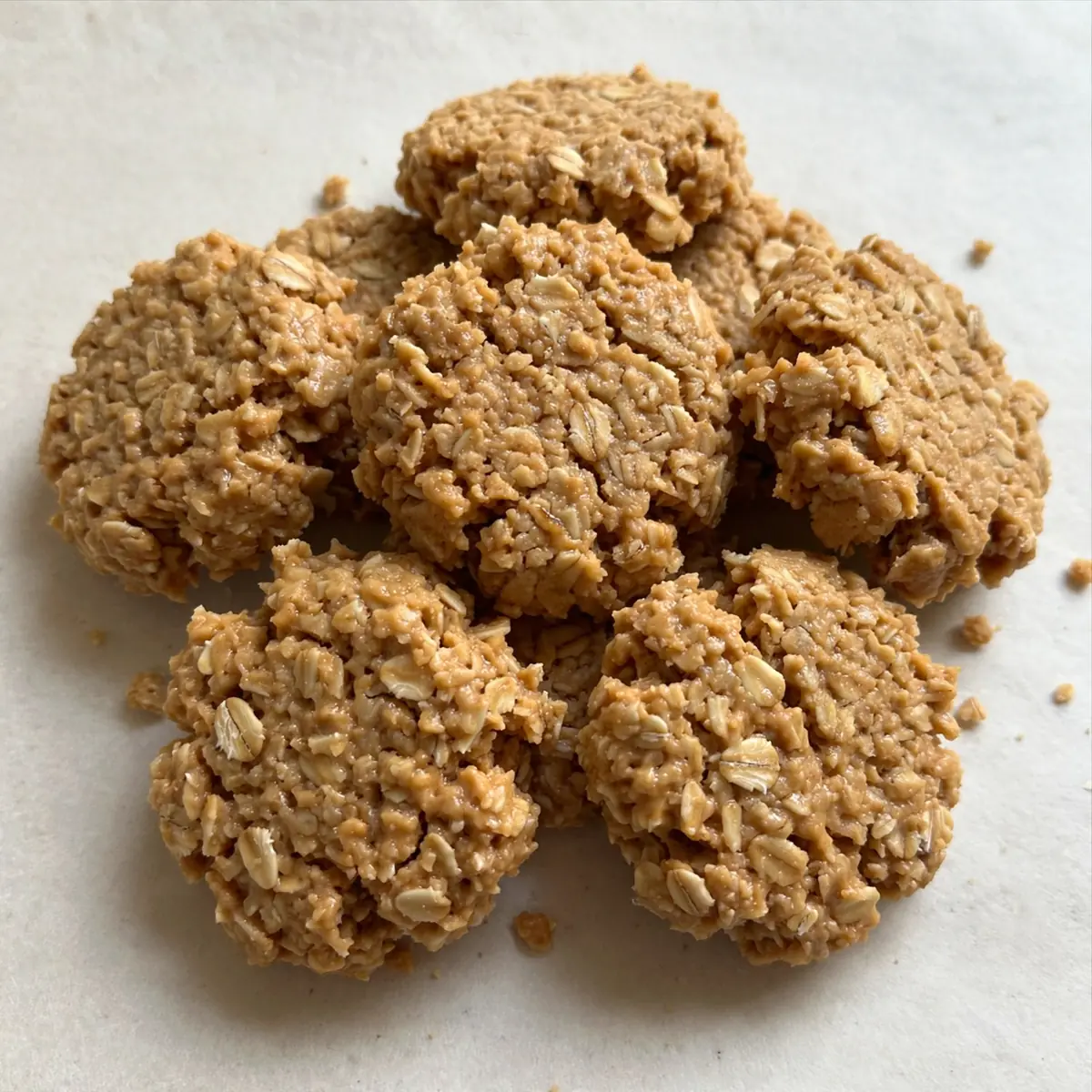
There are some afternoons when the only sensible response to the world is to shut the door, put the kettle on, and make something deeply satisfying with your hands. These No-Bake Peanut Butter Oat Cookies are exactly that kind of project—a gentle, messy, utterly rewarding task that fills your kitchen with the warm scent of melted butter and toasted oats, and rewards you with a tray of chewy, salty-sweet cookies that feel like a hug in edible form.
Recipe Overview
- Prep time: 15 minutes
- Cook time: 5 minutes
- Total time: 20 minutes (plus 30 minutes chilling)
- Servings: Makes 24–28 cookies
- Difficulty: Easy
Why You’ll Love This No-Bake Peanut Butter Oat Cookies
- No oven required: This is a stove-top affair, which means you can make them even on the warmest days without heating up the whole house.
- Deeply nostalgic flavour: The combination of creamy peanut butter, golden syrup, and oats tastes exactly like the kind of thing your gran used to keep in a tin—comforting and familiar.
- Surprisingly quick to set: Once you’ve stirred everything together, the mixture firms up in the fridge in about half an hour, so the wait is minimal.
- Perfectly balanced sweetness: These aren’t cloyingly sweet. The saltiness of the peanut butter cuts through the sugar, giving you a moreish, grown-up cookie.
- Endlessly adaptable: You can throw in chocolate chips, dried fruit, or a pinch of sea salt, and the base recipe holds up beautifully every time.
Ingredients You’ll Need
- 200g caster sugar
- 120ml whole milk
- 60g unsalted butter
- 4 tablespoons cocoa powder, sifted
- 200g smooth peanut butter (no added sugar or oil)
- 1 teaspoon vanilla extract
- 250g rolled oats (not instant)
- 50g desiccated coconut (optional, but lovely)
- Pinch of flaky sea salt
Tip: Use a good-quality peanut butter here—the kind where the only ingredients are peanuts and salt. The cheaper, sugar-laden spreads will make the cookies overly sweet and affect the texture.
Equipment You’ll Need
- Large heavy-bottomed saucepan
- Wooden spoon or silicone spatula
- Baking tray
- Parchment paper
- Wire cooling rack
- Measuring cups and spoons
How to Make No-Bake Peanut Butter Oat Cookies
- Line your tray. Take a large baking tray and line it with parchment paper. You want the paper to sit flat—no folds or creases—so the cookies have an even base. Set the tray aside for now.
- Melt the wet ingredients. Place the caster sugar, milk, and butter into your heavy-bottomed saucepan. Set it over a medium heat and stir gently as the butter melts and the sugar dissolves. You’ll know it’s ready when the mixture is smooth, glossy, and just beginning to steam—don’t let it boil vigorously.
- Bring to a rolling boil. Once the sugar has fully dissolved (test by rubbing a little between your fingertips—it should feel silky, not gritty), increase the heat slightly and let the mixture come to a full, rolling boil. Let it bubble away for exactly 1 minute, stirring constantly. The liquid will darken slightly and smell deeply caramelised.
- Remove from heat and add peanut butter. Take the pan off the heat immediately. Add the peanut butter and the sifted cocoa powder. Stir vigorously until everything is fully combined. You’re looking for a thick, fudgy sauce that coats the back of your spoon. The smell at this stage is utterly intoxicating—rich, chocolatey, and nutty.
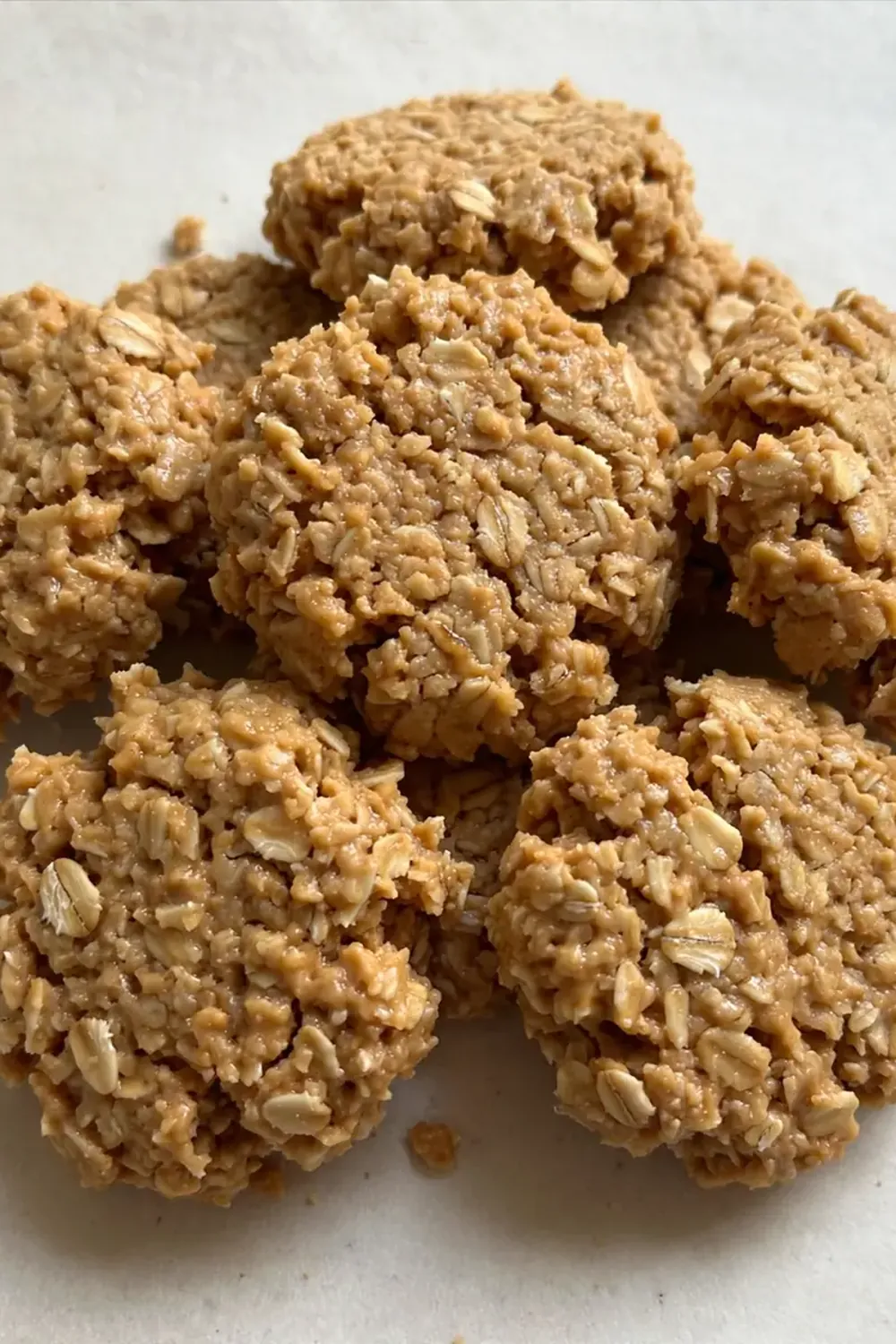
- Add the oats and vanilla. Tip in the rolled oats, desiccated coconut (if using), and the vanilla extract. Stir with real determination—the mixture will be stiff and sticky. You want every oat to be completely coated in the chocolate-peanut butter sauce. The texture should look like a very clumpy, slightly wet granola.
- Scoop and shape. Using a tablespoon or a small cookie scoop, drop heaped spoonfuls of the mixture onto your prepared tray, spacing them about 2cm apart. If you like perfectly round cookies, lightly wet your hands and press each mound into a neat disc. The mixture will feel warm and pliable in your hands.
- Chill until firm. Place the tray in the refrigerator for at least 30 minutes. The cookies will set into firm, chewy rounds. They should feel solid to the touch but still give slightly when you press them—that’s the perfect texture.
- Transfer to a cooling rack. Once set, carefully lift each cookie from the parchment paper and place it on a wire cooling rack. This stops any condensation forming on the bottom. Let them sit at room temperature for 5 minutes before serving—the texture will soften just a little, making them perfectly chewy.
Tips From My Kitchen
- Don’t skip the boil: The 1-minute boil is critical. If you under-boil, the cookies will be too soft and won’t set properly. If you over-boil, they’ll become crumbly and dry. Set a timer and watch the clock—this is the moment that makes or breaks the texture.
- Use room-temperature peanut butter: Cold peanut butter straight from the fridge is stiff and difficult to incorporate evenly. Let it sit on the counter for 15 minutes before you start, or give it a quick stir to loosen it up.
- Work quickly once the oats go in: The mixture starts to cool and firm up almost immediately once you add the oats. Have your tray ready, scoop in hand, and don’t pause to admire your work until the last cookie is shaped.
- Wet hands are your best friend: When shaping the cookies, keep a small bowl of water nearby. Dip your fingers in before pressing each mound—the mixture won’t stick to you, and you’ll get perfectly smooth, even tops.
- Chill thoroughly before serving: These cookies need a full 30 minutes in the fridge to set. If you’re impatient, they’ll be too soft and messy. Pop them in the freezer for 10 minutes if you’re in a rush—just don’t forget about them.
Delicious Variations to Try
- Spicy Version: Add ½ teaspoon of ground cinnamon and a pinch of cayenne pepper to the saucepan along with the sugar. The warmth of the spice complements the peanut butter beautifully, and the heat builds slowly as you eat.
- Vegan Option: Substitute the butter with a plant-based block margarine (look for one with at least 80% fat content) and use oat milk or almond milk instead of whole milk. The texture remains identical, and the taste is just as rich.
- Different Protein: Swap half the peanut butter for almond butter or cashew butter for a different nutty profile. If you’re avoiding nuts entirely, use sunflower seed butter—just be aware it will turn the cookies a slightly greenish shade, which is perfectly normal.
What to Serve With No-Bake Peanut Butter Oat Cookies
- A tall glass of cold oat milk or almond milk—the creaminess balances the chewy texture.
- A scoop of vanilla ice cream for an indulgent dessert (try this with our Greek Yogurt Brownies For A Light Sweet Treat for a full cookie-and-brownie board).
- A dollop of Greek yogurt and a drizzle of honey for a breakfast-style treat.
- A cup of strong black coffee or a chai latte—the bitterness cuts through the sweetness perfectly.
- Crumbled over a bowl of Healthy Peanut Butter Banana Muffins for a double-peanut-butter experience.
Still hungry for ideas? You might also love Peanut Butter Chocolate Chip Cookies, Classic Butter Spritz Cookies from our sister kitchens.
Frequently Asked Questions
No-Bake Peanut Butter Oat Cookies
Ingredients
Method
- Line your tray. Take a large baking tray and line it with parchment paper. You want the paper to sit flat—no folds or creases—so the cookies have an even base. Set the tray aside for now.
- Melt the wet ingredients. Place the caster sugar, milk, and butter into your heavy-bottomed saucepan. Set it over a medium heat and stir gently as the butter melts and the sugar dissolves. You’ll know it’s ready when the mixture is smooth, glossy, and just beginning to steam—don’t let it boil vigorously.
- Bring to a rolling boil. Once the sugar has fully dissolved (test by rubbing a little between your fingertips—it should feel silky, not gritty), increase the heat slightly and let the mixture come to a full, rolling boil. Let it bubble away for exactly 1 minute, stirring constantly. The liquid will darken slightly and smell deeply caramelised.
- Remove from heat and add peanut butter. Take the pan off the heat immediately. Add the peanut butter and the sifted cocoa powder. Stir vigorously until everything is fully combined. You’re looking for a thick, fudgy sauce that coats the back of your spoon. The smell at this stage is utterly intoxicating—rich, chocolatey, and nutty.
- Add the oats and vanilla. Tip in the rolled oats, desiccated coconut (if using), and the vanilla extract. Stir with real determination—the mixture will be stiff and sticky. You want every oat to be completely coated in the chocolate-peanut butter sauce. The texture should look like a very clumpy, slightly wet granola.
- Scoop and shape. Using a tablespoon or a small cookie scoop, drop heaped spoonfuls of the mixture onto your prepared tray, spacing them about 2cm apart. If you like perfectly round cookies, lightly wet your hands and press each mound into a neat disc. The mixture will feel warm and pliable in your hands.
- Chill until firm. Place the tray in the refrigerator for at least 30 minutes. The cookies will set into firm, chewy rounds. They should feel solid to the touch but still give slightly when you press them—that’s the perfect texture.
- Transfer to a cooling rack. Once set, carefully lift each cookie from the parchment paper and place it on a wire cooling rack. This stops any condensation forming on the bottom. Let them sit at room temperature for 5 minutes before serving—the texture will soften just a little, making them perfectly chewy.
Notes
My husband, who’s usually picky, asked for seconds the first time I made these—and then thirds. Friends always ask me for this recipe after trying it at dinner parties, and I love watching their faces when I tell them there’s no oven involved. These No-Bake Peanut Butter Oat Cookies are the kind of treat that feels like a secret weapon: simple to make, impossible to resist, and perfect for those weekends when all you want is to slow down, get a little sticky, and create something wonderful. I’d love to hear how yours turn out—drop a comment below and tell me which variation you tried.